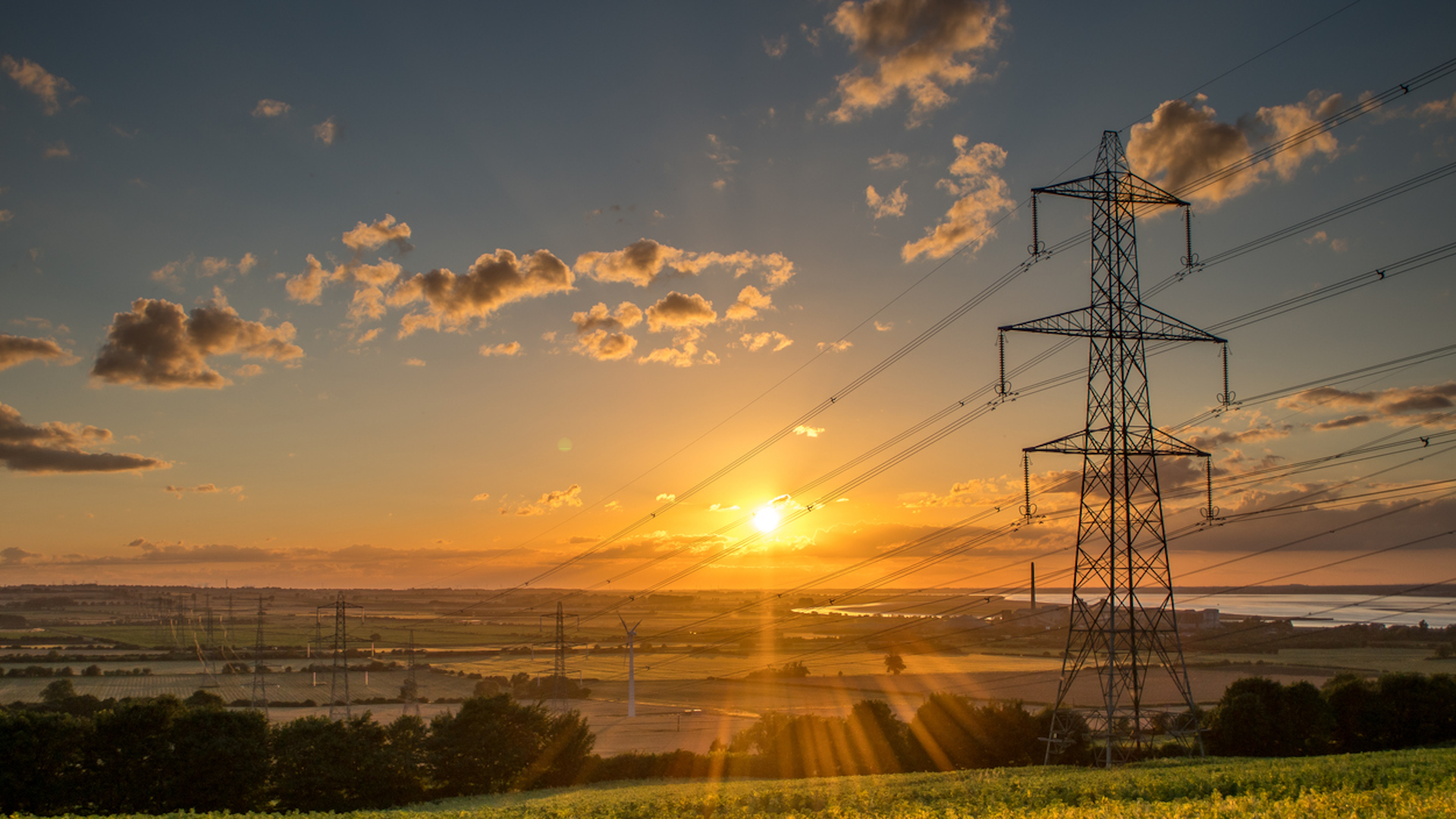
The Logic of Power
Power, not compute, is the binding constraint on infrastructure at scale, and how that constraint is answered over the life of an asset, not only at procurement, is what separates the systems that stay adaptable from the ones that lock themselves in. This work is written for data center developers facing fast-moving markets. It treats sustainability as a set of options to be kept open across the life of an asset rather than a property fixed at the point of procurement, so that meeting the speed-to-power challenge now does not foreclose the better path later. The Logic of Power is one diagnosis with six components. Each answers a plain question about building power infrastructure under that constraint. They are not a sequence to be read in order. They are five angles on the same problem, and each stands on its own.
The components
Power, Not Compute: what is the real constraint? The visible race in AI infrastructure is for chips and compute. The binding constraint is the power to run them. Power, not compute has been on a trajectory to set the limit, visible since at least 2016, and that is now the defining condition of the buildout. Read more
Speed to Power: why is it urgent? The gap between when a site is needed and when the grid can serve it is the live problem. Speed to power, the time it takes to energize a site, has become the variable that decides where and whether projects happen. Read more
Structured Transition Model: how do systems change? Power systems do not switch states cleanly. The Structured Transition Model sets out how a site moves from its current configuration toward a cleaner, more resilient one in sequence, as requirements and capital allow, rather than in a single step. Read more
Temporal Trilemma: why system design leaves time out. The familiar energy trilemma, security, affordability, and sustainability, has no time axis. The Temporal Trilemma adds it. The rate at which the answer has to change is now the dominant variable, and AI demand is pushing operators to regress on sustainability inside a single procurement cycle. Read more
Control Follows Assets: how do you build for it? The control architecture of a system follows from its assets, not the other way around, and because assets evolve, control is specified to the trajectory rather than the snapshot. This is where the diagnosis becomes a way to build and deploy a site. Read more
Infrastructure Half Life: Infrastructure Half-Life is the period over which an asset retains economic relevance. For AI data center power infrastructure it is now shorter than engineering life. A framework for underwriting survivability, residual value, and redeployment. Read more.
Where this goes
These six are the working parts of one argument. Take the power constraint seriously, and design for how it changes across an asset's life rather than the moment it is procured. Each link above goes to the full treatment.
Five Nines and Fast Power
Making better decisions in the age of AI
-
The Logic of Power is the body of work by Alex Marshall built on the argument that power, not compute, is the binding constraint on infrastructure at scale, and that how that constraint is answered over the life of an asset, not only at procurement, separates adaptable systems from locked-in ones. It comprises five concepts: Power Not Compute, Speed to Power, the Structured Transition Model, the Temporal Trilemma, and Control Follows Assets.
-
It is the argument that the binding constraint on AI-scale infrastructure is the power to run the chips, not the chips or compute themselves.
-
Speed to power is the time it takes to energize a site. The gap between when a site is needed and when the grid can serve it has become the variable that decides where and whether data center projects happen.
-
The Structured Transition Model describes how a power system moves from its current configuration toward a cleaner, more resilient one in sequence, as requirements and capital allow, rather than in a single step.
-
The Temporal Trilemma adds a time axis to the classic energy trilemma of security, affordability, and sustainability. It holds that the rate at which the answer has to change is now the dominant variable, and that AI demand is pushing operators to regress on sustainability inside a single procurement cycle.
-
It means the control architecture of a power system is set by its physical assets rather than chosen independently, and because assets evolve, control is specified to the asset trajectory rather than the asset as it is at one moment.