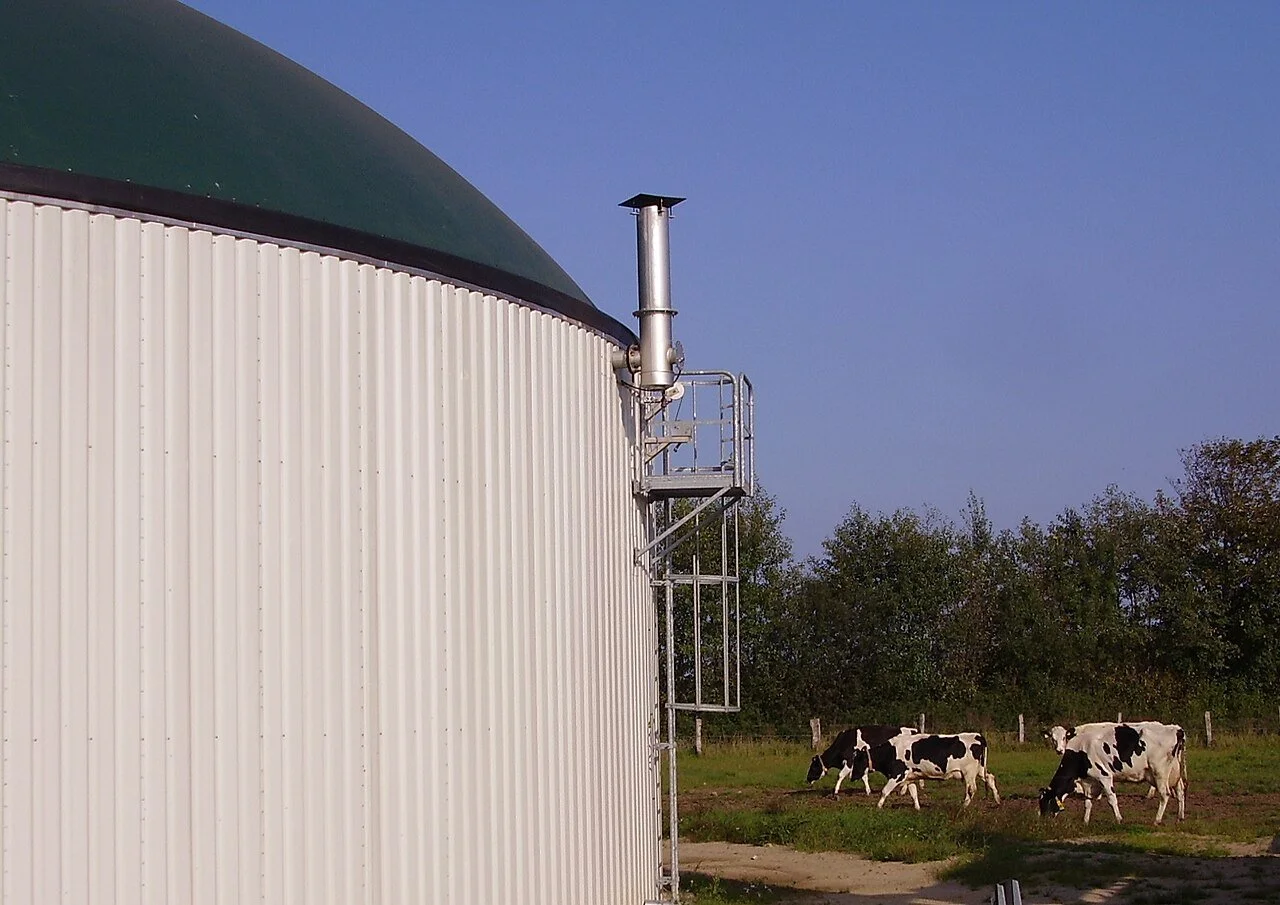
The Names on the Page
In September 2009 I was named as Clarke Energy's founder member representative to ADBA. The interview I gave has since come off the live site. Reading it back seventeen years later, one call holds up and one does not, and the gap between them explains more about data center power procurement than either does alone.
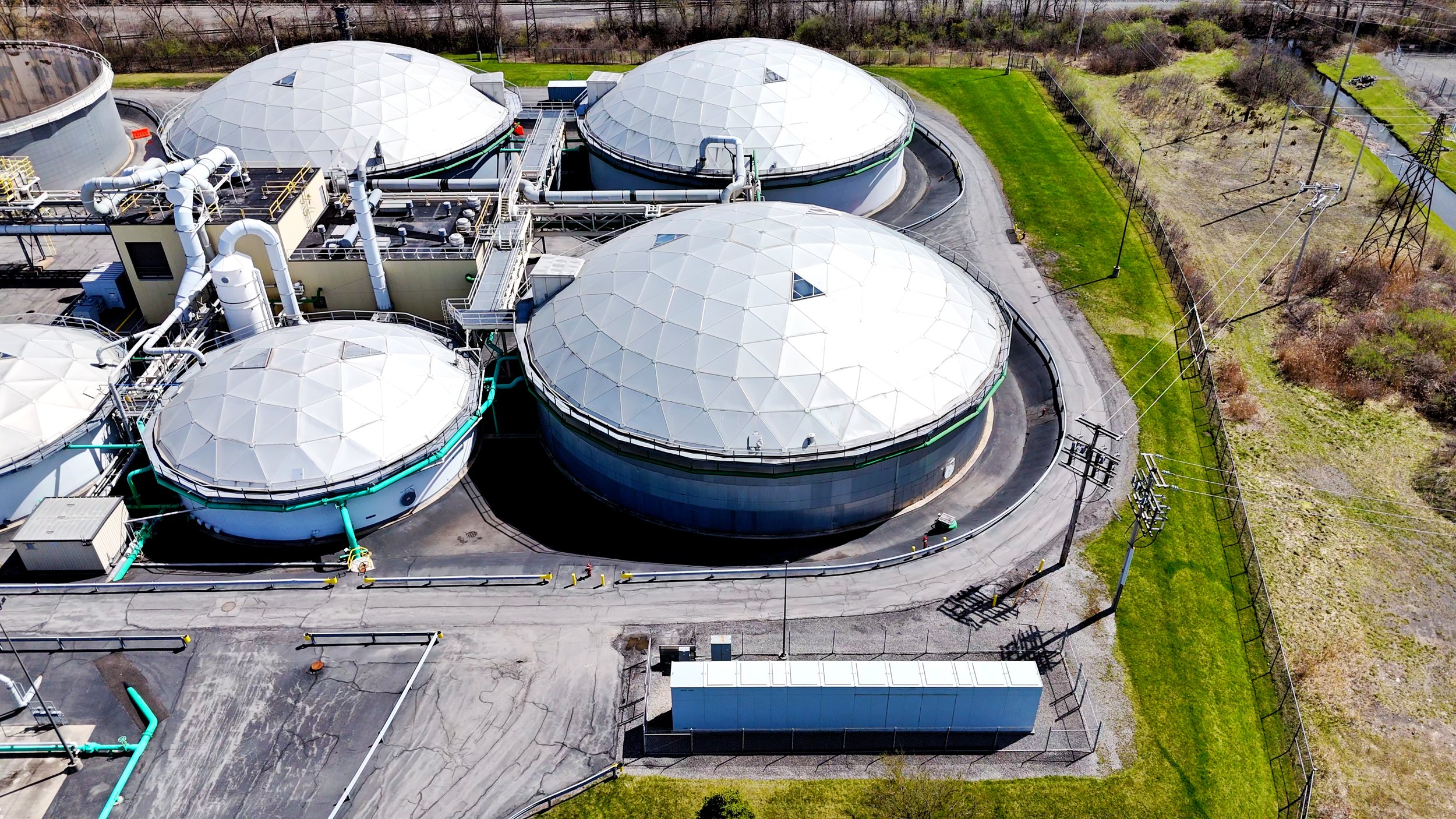
Scaling Biogas in North America: Local Challenges, Global Opportunities
Thoughts on where North American biogas actually stands: strong resources and policy support, but a fragmented market held back by offtake uncertainty and inconsistent carbon accounting.

Why Businesses Are Beginning to Rethink Power Infrastructure: Reflections from Microgrid Knowledge 2023
Reflections following Microgrid Knowledge 2023 exploring why commercial and industrial businesses are increasingly rethinking their relationship with the grid through hybrid microgrids combining gas generation, BESS, solar PV, and cleaner fuels to improve resilience and sustainability.
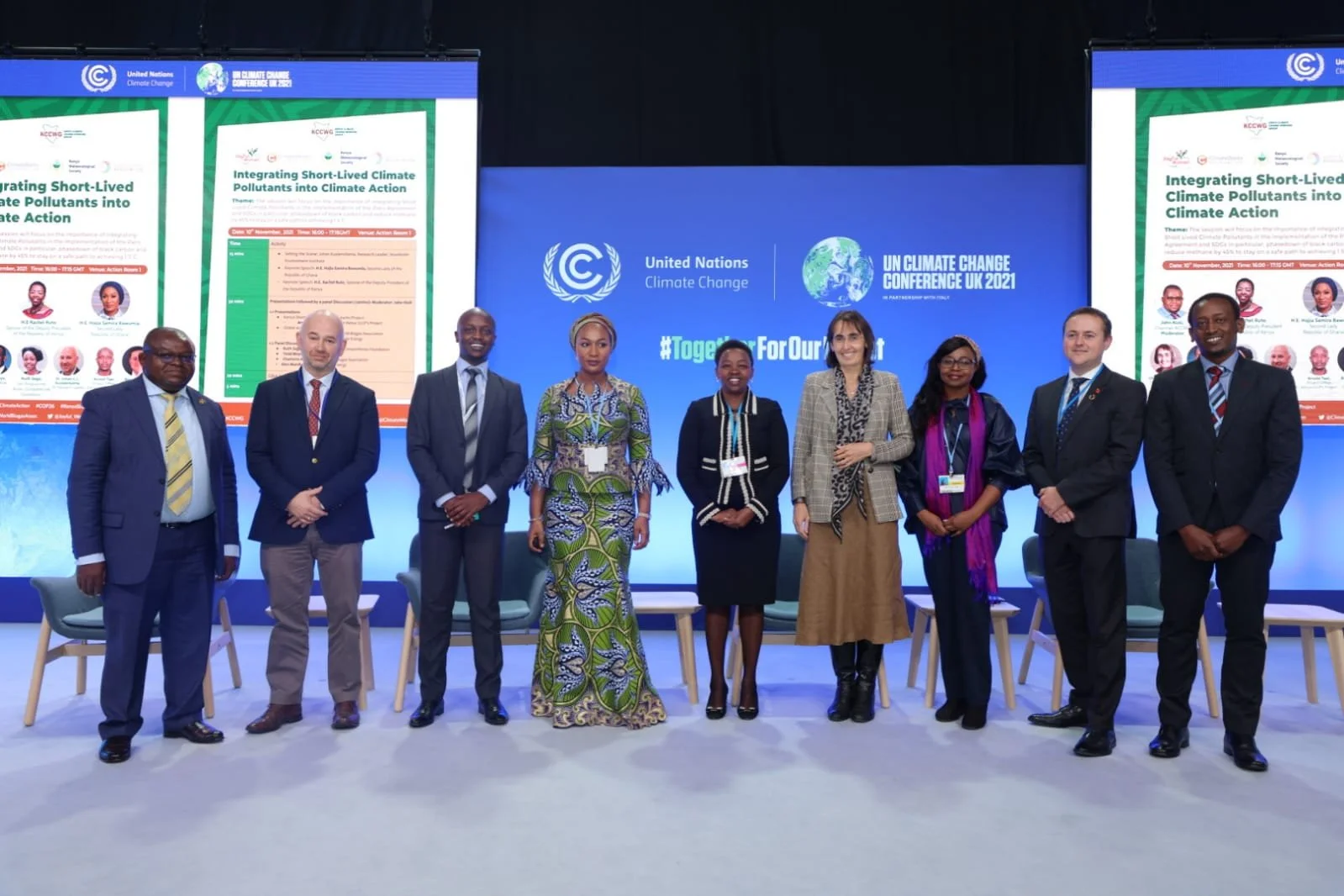
Integrating Short-Lived Climate Pollutants Into Climate Action at COP26
Reflections following participation in an official COP26 Blue Zone side event on short-lived climate pollutants, methane reduction, and the role of gas engines and biogas upgrading systems in supporting both emissions reduction and resilient onsite power generation.
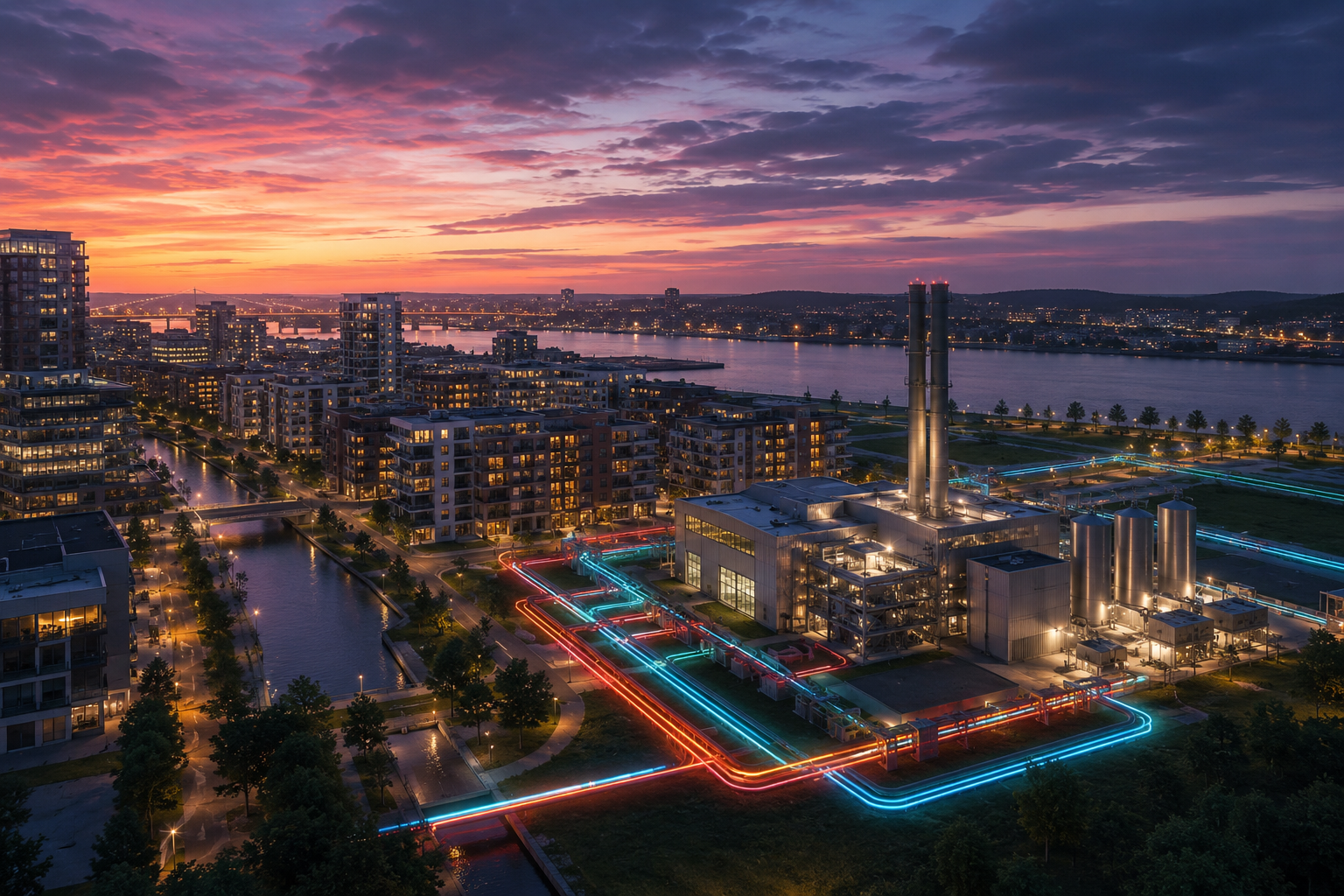
District Energy's Moment: Reflections on a Conversation Worth Having
District and campus energy has long been a proven solution for hospitals, universities, and industrial campuses. But 2020 changed the conversation. Speaking at the Distributed Energy Conference, Alex Marshall argues that rising demand charges and high-profile grid failures have created a compelling and urgent business case for CHP-based district energy systems that goes well beyond efficiency alone.

India's Energy Import Problem Has a Homegrown Answer: The Case for Biogas
India is one of the world's largest importers of oil and gas, and that dependency is a strategic vulnerability that ambition alone will not solve. Speaking at the World Biogas Association eFestival 2020 alongside the Indian Biogas Association and the Indian Institute of Chemical Technology, Clarke Energy's Alex Marshall sets out why biogas, underpinned by the Swachh Bharat Mission and the SATAT initiative, represents one of the most compelling and underdelivered energy opportunities in the world today.
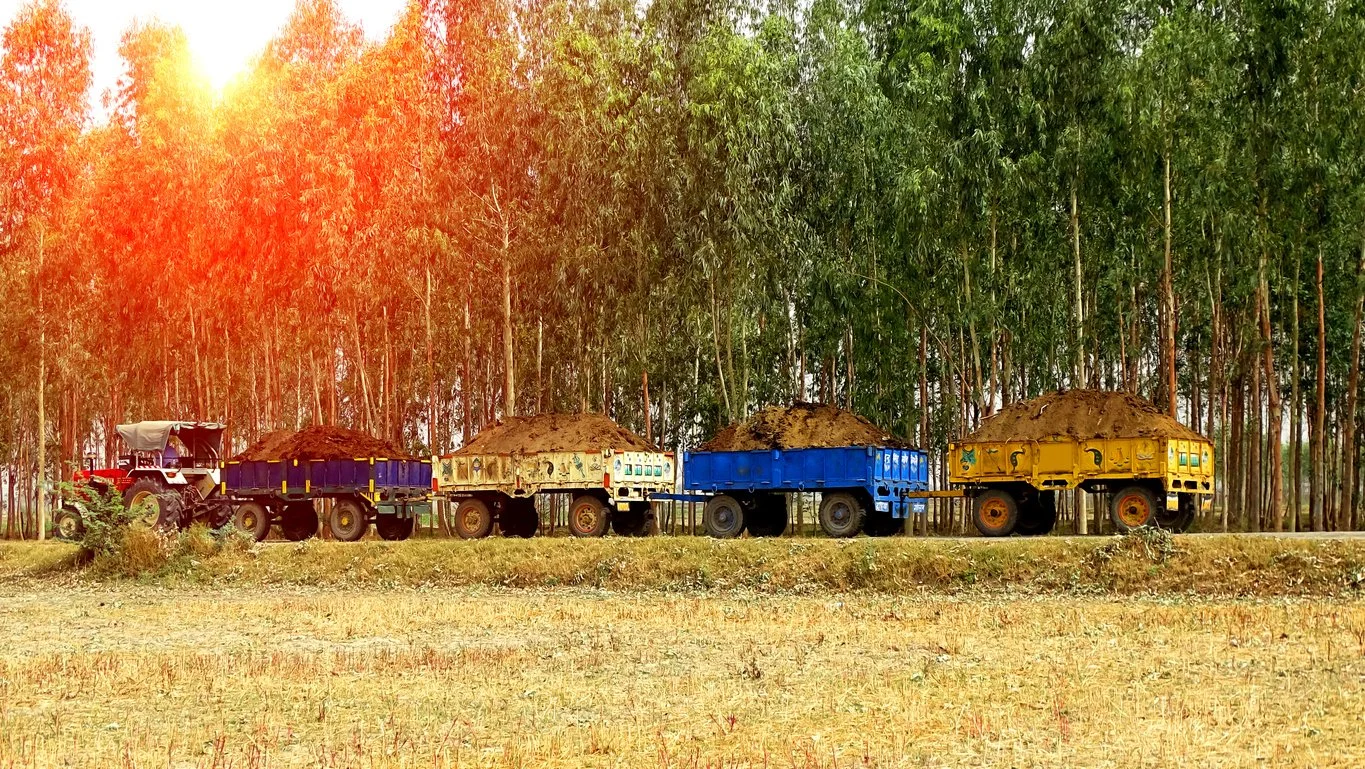
Waste, Cities and Energy Security: Reflections on Sustainable Infrastructure in India
Thoughts following the publication of a white paper examining sustainable municipal waste management and anaerobic digestion in India. Exploring the relationship between waste, energy resilience, urbanisation and environmental sustainability and why biogas infrastructure may become increasingly important in rapidly developing economies.

Africa's Energy Transition Needs Local Infrastructure, Not Just Global Ambition
There is no shortage of ambition when it comes to Africa's energy future. But ambition without infrastructure delivers nothing. Reflecting on International Development Minister Andrew Murrison's visit to Clarke Energy's Knowsley facility in January 2020, Alex Marshall argues that resilient, distributed, locally maintained power generation not centralised grid ambition is the answer Africa's energy challenge actually demands.
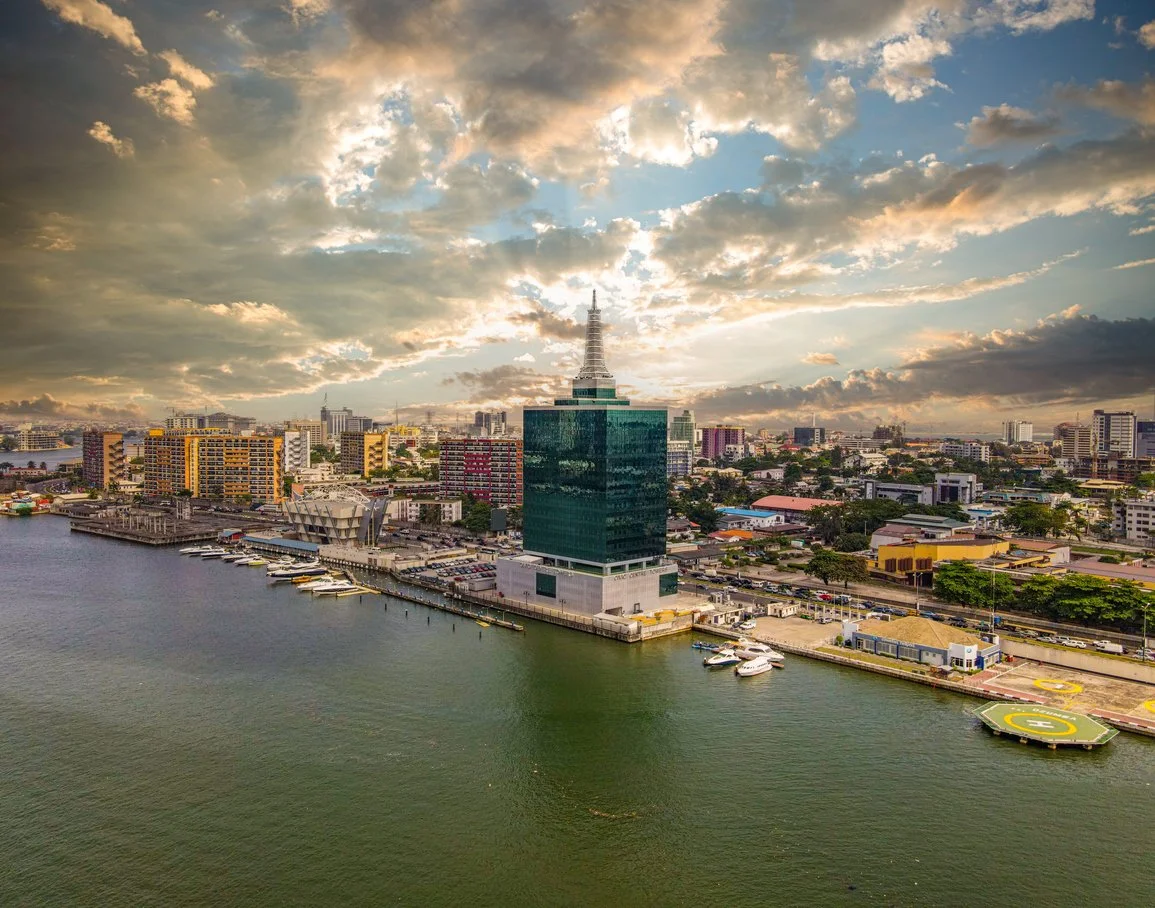
Distributed Infrastructure and Economic Growth: Reflections from GTR Africa
Thoughts following GTR Africa on the relationship between energy infrastructure, distributed power systems, and economic growth and why many of the resilience challenges historically associated with developing markets are increasingly relevant to modern digital infrastructure.

Energy Infrastructure Challenges Across a Diverse Continent: Reflections from the Prime Minister’s Trade Delegation to Africa
Reflections following the Prime Minister’s 2018 trade delegation to Africa examining the very different resilient power challenges facing Nigeria, South Africa, Kenya, and Rwanda — from unreliable electricity networks and fuel availability constraints to emerging opportunities in gas-fired generation and biogas development.

Microgrids, Flexibility and Localised Power Systems - Reflections from COP23 Bonn
After speaking at COP23 Bonn within the UK Government Pavilion programme, Alex Marshall reflects on the growing importance of hybrid power systems, microgrids and distributed energy architectures in supporting resilient and flexible electricity networks.

Natural Gas and the Case for Domestic Energy in Uganda
Africa's energy challenge is not simply a question of resource scarcity. Uganda illustrates the tension clearly: significant hydrocarbon reserves in the Lake Albert basin, yet domestic consumers dependent on imported fuels, unreliable grid supply, and some of the highest electricity tariffs in East Africa. The case for redirecting a portion of Uganda's natural gas toward domestic use has rarely been stronger.

Infrastructure Through Uncertainty: Reflections from IFB 2016
Reflections from IFB 2016 on distributed energy, resilient infrastructure, Brexit, international trade, and global energy projects across Australia, India, and Bangladesh.
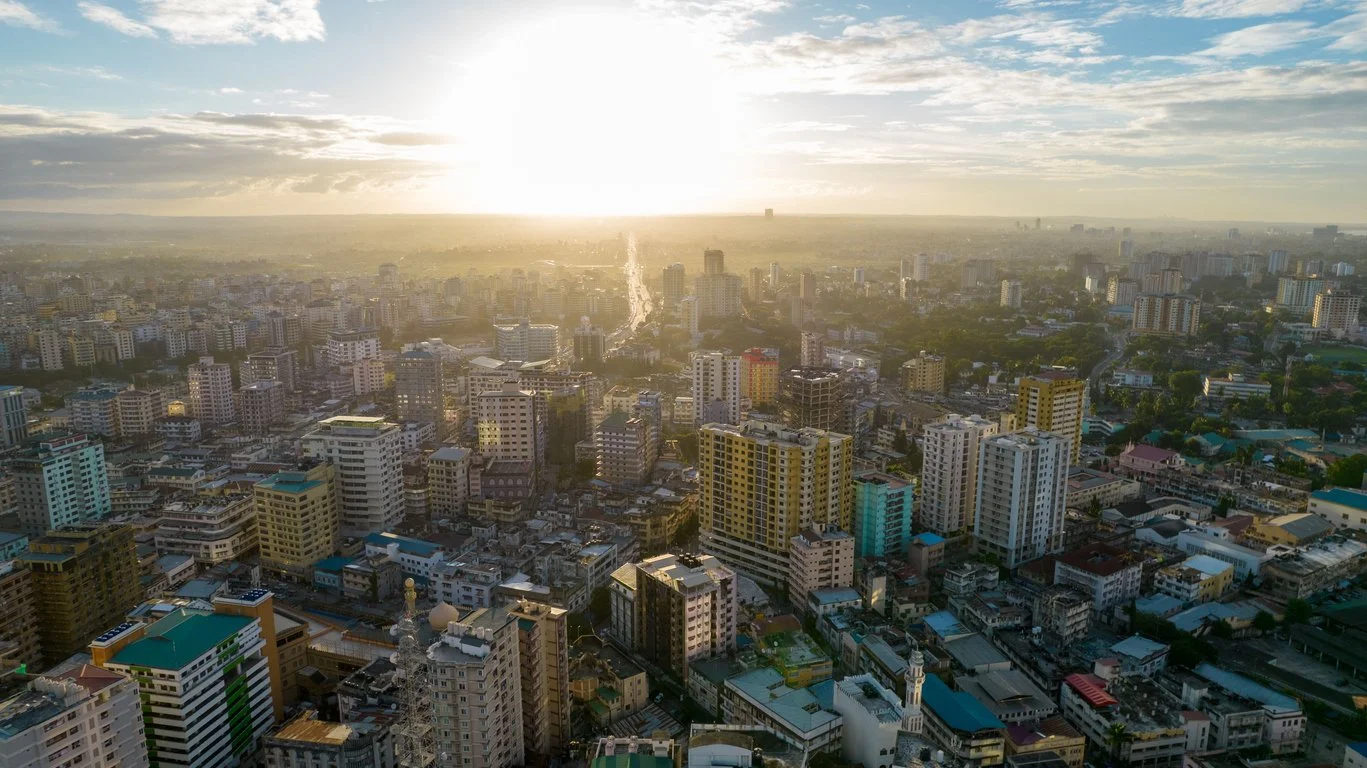
Powering Growth Across Africa: Reflections on Distributed Energy and Infrastructure Development
Reflections on the role of distributed energy infrastructure across Africa following publication of Power in Africa. Exploring resilient power systems, flexible generation and the importance of reliable energy infrastructure in supporting industrial growth and long-term economic development.
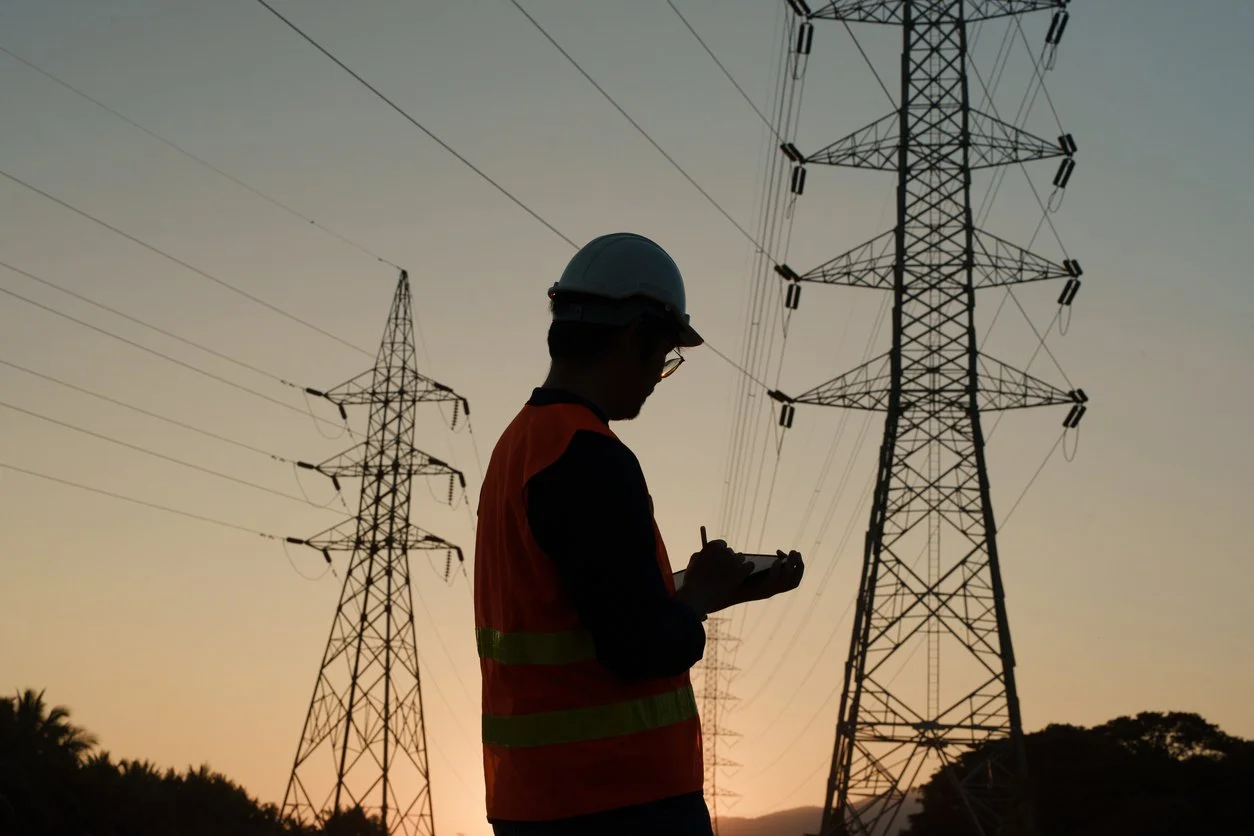
Flexible Gas Generation and the Future of UK Grid Stability
As the UK electricity market evolves, flexible gas generation may provide an increasingly important role in supporting renewable integration, grid balancing and future system resilience.

Energy, Methane and Sustainable Infrastructure: UK–Rwanda Trade and Investment Forum
Reflections following the UK–Rwanda Trade and Investment Forum 2014 examining the role of methane-to-power, biogas and landfill gas infrastructure in Rwanda’s long-term development. Exploring how energy generation, sanitation, emissions reduction and urban resilience are increasingly interconnected across rapidly developing economies.
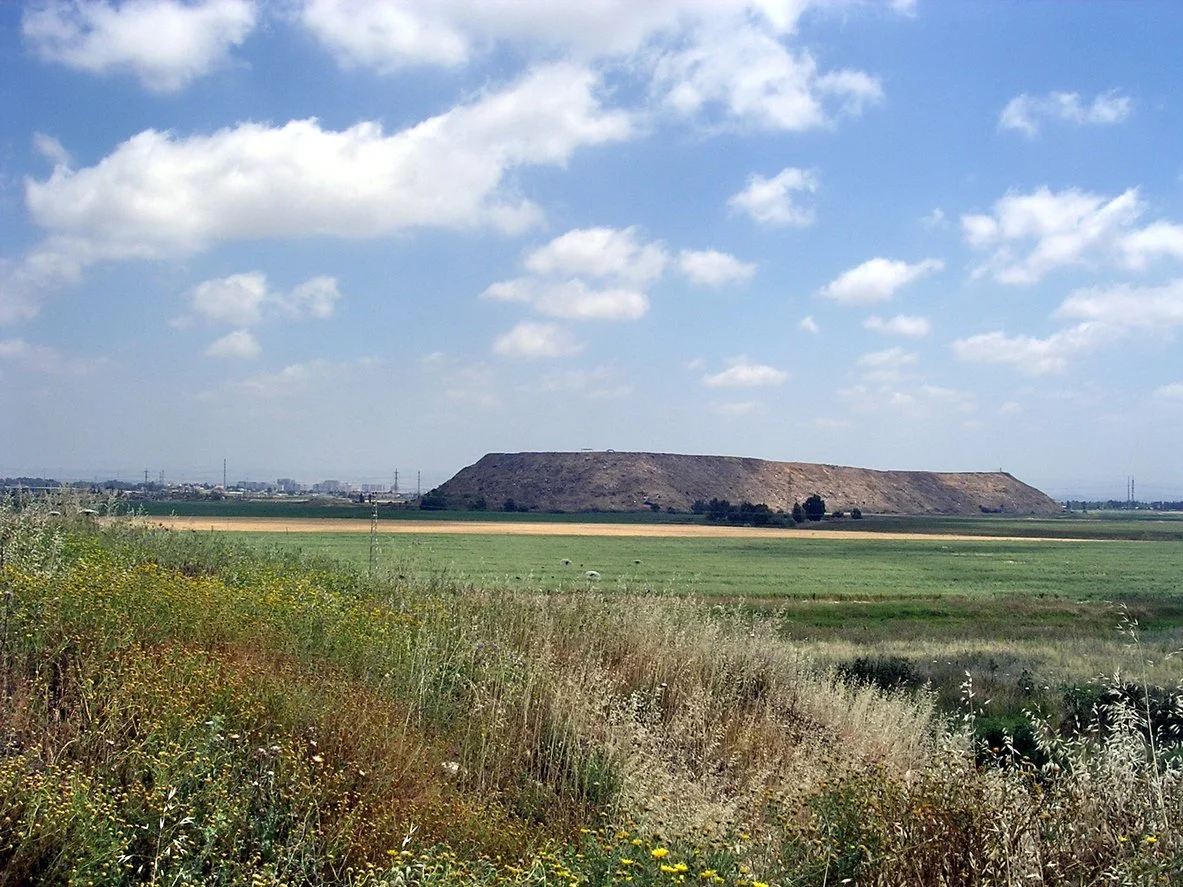
Waste, Energy, and the Politics of Deployment: Early Lessons from the UK's Transition Away from Landfill
The technology worked. The regulatory and political environment did not move with it. An early lesson in how infrastructure deployment is shaped as much by policy as by engineering.

From the Lab to the Field: An Early Lesson in the Limits of Novel Technology
My route into energy and infrastructure was not a straight line. A postgraduate research project in environmental technology and a failed attempt to commercialise a promising water treatment innovation taught me something about the distance between a working prototype and a deployed system that I have returned to many times since. It is a lesson that still applies today, as the energy sector debates which emerging technologies will ultimately power AI infrastructure at scale.

Five Nines and Fast Power
Making better power infrastructure decisions in the age of AI.