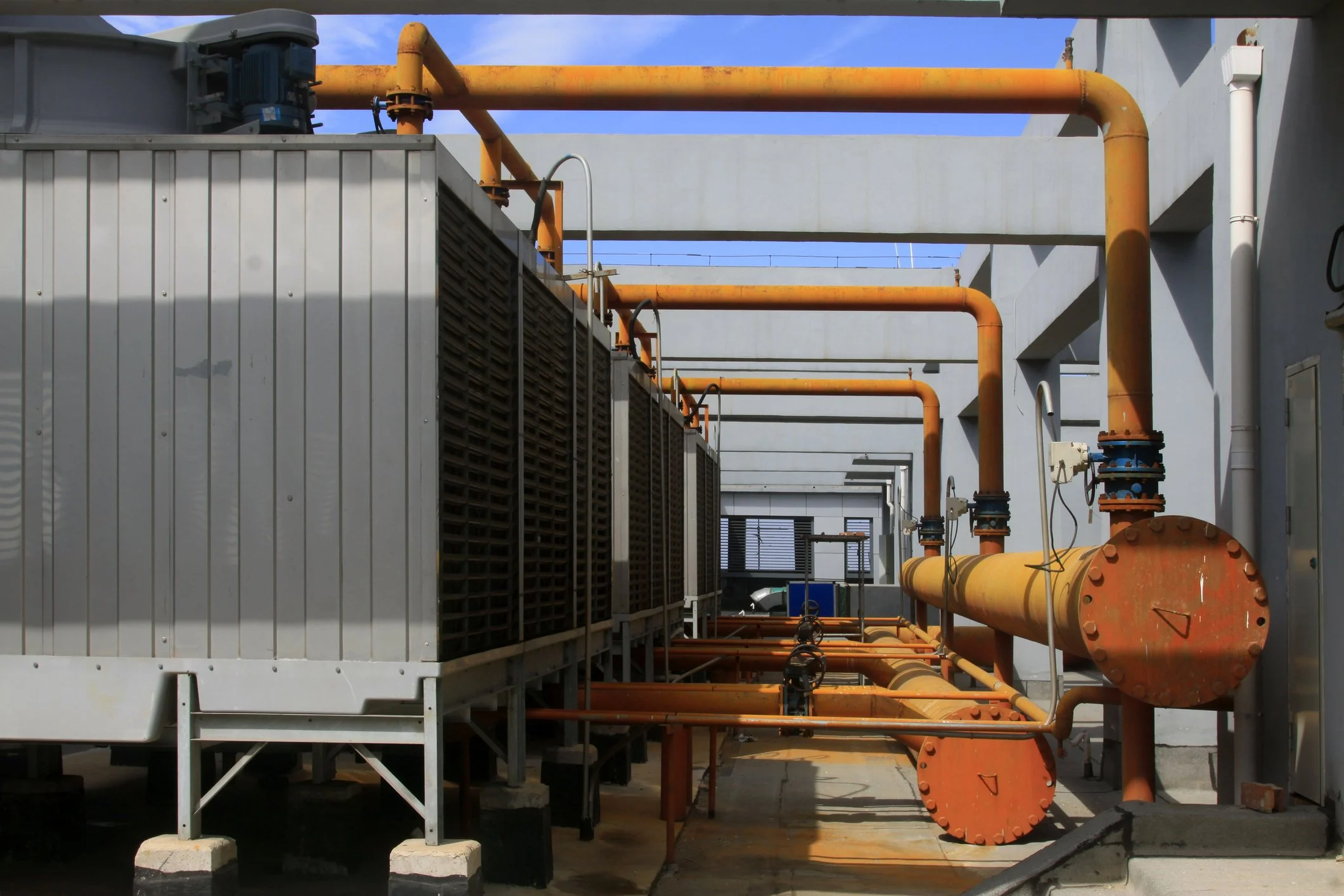
Combined Heat and Power in the Data Center: Efficiency as a Strategic Asset
Combined Heat and Power in the Data Center: Efficiency as a Strategic Asset
The data center industry has spent the better part of a decade treating energy efficiency as an operational metric. Power Usage Effectiveness became the standard measure of how well a facility converts input electricity into useful compute work, and the industry made genuine progress in driving that number down. But efficiency, in that framing, was essentially a cost management exercise. It was about doing more with what you had, not about changing the strategic position of the facility in a constrained energy market.
That framing is no longer adequate.
As speed-to-power has become the defining constraint in AI infrastructure deployment, the amount of energy infrastructure a facility requires is itself a strategic variable. A data center that needs less total input energy to deliver the same computational output is not simply cheaper to run. It is faster to deploy, easier to permit, and less exposed to the interconnection delays and grid capacity constraints that are now stretching years into the future across North America and Europe. Efficiency has become a deployment strategy.
Combined heat and power, and its more capable variant combined cooling heat and power, represents the clearest practical expression of that argument in the data center context.
What CHP and CCHP actually do
Combined heat and power systems generate electricity from a primary fuel source, typically natural gas, and simultaneously capture the thermal energy that conventional generation simply exhausts to the atmosphere. In a standard generation configuration, a significant proportion of the fuel's energy content is lost as waste heat. CHP recovers that heat for productive use, raising the overall system efficiency substantially compared to separate generation and heating systems.
CCHP extends this further by using the recovered thermal energy to drive absorption cooling, converting what would otherwise be a waste stream into useful cooling capacity. For data centers, where cooling represents one of the largest components of total energy consumption, this is particularly significant. A high-density AI compute facility generates substantial heat loads that must be rejected continuously to maintain operating conditions. CCHP addresses both the generation and the cooling requirement from a single fuel input, reducing the total energy infrastructure needed to support the facility.
The practical implication is that a CCHP-equipped data center can deliver the same operational output with a materially smaller grid connection, or in some configurations without one at all during normal operations. In markets where grid interconnection queues stretch years into the future, that reduction in grid dependency is not a marginal benefit. It is the difference between a project that can proceed and one that cannot.
The efficiency argument reframed
There is a version of the efficiency conversation that focuses on fuel cost. That version is real but secondary. The more important argument in the current infrastructure environment is about what efficiency does to the total infrastructure footprint of a project.
When interconnection capacity is scarce, every megawatt of grid connection that a facility does not need is a megawatt that does not have to be negotiated, permitted, and waited for. When substation capacity is constrained, a smaller grid draw means less exposure to the upgrade timelines and transformer shortages that are creating deployment bottlenecks across major markets. When planning and environmental permitting processes are under pressure from the scale of AI infrastructure investment, a facility with a demonstrably lower total energy footprint per unit of compute output is in a stronger position than one that relies on maximum grid draw.
CCHP does not eliminate the need for grid connection or onsite generation capacity planning. What it does is change the ratio between what a facility needs and what it can demonstrate it is using efficiently. That matters for permitting, for utility negotiations, for sustainability reporting, and increasingly for the competitive positioning of the facility in a market where power access is the primary constraint on growth.
The data center thermal challenge
The thermal management dimension deserves specific attention because it is where the data center application of CCHP diverges most clearly from other industrial uses.
AI compute hardware generates heat at densities that are substantially higher than previous generations of data center workloads. The transition to high-density GPU clusters for training and inference has compressed enormous thermal loads into smaller physical footprints, and cooling those loads requires either very high volumes of conditioned air, direct liquid cooling systems, or some combination of both. In all cases, the energy required to reject that heat represents a significant parasitic draw on the facility's total power budget.
Absorption cooling driven by recovered thermal energy from onsite generation directly addresses this. Rather than consuming additional electrical energy to power conventional chillers, the system uses heat that would otherwise be wasted to drive the cooling cycle. The result is a facility where the generation and cooling loads are partially integrated, reducing the total electrical demand and creating a more efficient overall energy system.
This integration also has resilience implications. A facility where generation and cooling are thermally linked has fewer independent systems that need to be maintained and coordinated, and the onsite generation component provides a degree of independence from grid supply that conventional grid-connected facilities do not have. In the context of the layered resilience architectures that serious data center operators are now building, CCHP contributes to multiple layers simultaneously.
The historical context
The application of CHP and CCHP in industrial and commercial settings long predates the current data center conversation. Industrial facilities with high thermal loads, hospitals, universities, district energy schemes, and manufacturing plants have used combined generation and heat recovery for decades precisely because the economics are compelling wherever both electricity and thermal energy are required in significant volumes.
The distributed energy markets in which these systems found their earliest and most consistent application developed a body of operational knowledge around fuel flexibility, maintenance cycles, grid interaction, and controls integration that is now directly relevant to data center deployment. The underlying technology is mature. What is new is the scale of demand, the urgency of deployment, and the specific characteristics of the AI compute thermal load that make the cooling integration particularly valuable.
The gas engine and gas turbine technologies at the core of most CHP systems have a long track record in demanding applications. The engineering challenges are well understood. The deployment question in the data center context is less about whether the technology works and more about how it is integrated into the broader infrastructure architecture of the facility, and how it interacts with grid supply, battery storage, and future fuel flexibility requirements.
Staged decarbonization and fuel flexibility
One of the persistent challenges in deploying onsite generation for data center applications is reconciling the speed-to-power imperative with long-term sustainability commitments. Natural gas-fired CHP and CCHP systems can be deployed and operational within commercially viable timelines in a way that many lower-carbon alternatives currently cannot. But they create a fuel dependency that needs to be managed over the life of the asset.
The answer that is emerging across the industry is staged decarbonization: designing systems from the outset to accommodate future fuel transitions, whether to hydrogen blends, biogas, synthetic fuels, or other lower-carbon alternatives, without requiring a wholesale replacement of the generation infrastructure. CHP systems built with fuel flexibility in mind can operate on natural gas today while retaining the option to transition as alternative fuels become available at scale and at commercially viable prices.
This is not a concession to fossil fuel dependency. It is a recognition that infrastructure transitions succeed through systems that can evolve rather than through systems that need to be replaced. The data center operator that deploys CCHP today with a clear view of the fuel transition pathway is in a stronger long-term position than one that waits for perfect low-carbon solutions that may not be available at the required scale within the required timeframe.
What this means for infrastructure planning
The practical implication for data center developers and operators is that CHP and CCHP deserve evaluation not just as efficiency measures but as infrastructure strategy tools. The questions worth asking are not only about fuel cost savings and carbon accounting, but about what a CCHP system does to the grid connection requirement, the permitting timeline, the cooling infrastructure cost, the resilience architecture, and the long-term fuel flexibility of the facility.
In markets where power access is the binding constraint, those questions have answers that are increasingly difficult to ignore. The efficiency gains from combined generation and heat recovery translate directly into reduced infrastructure demand, and reduced infrastructure demand translates directly into faster deployment and stronger competitive positioning.
Efficiency, properly understood in the current environment, is not a metric to be optimized after the facility is built. It is a design principle that shapes what kind of facility can be built, how quickly, and with what long-term flexibility. CCHP is one of the clearest expressions of that principle available to data center infrastructure planners today.
Five Nines and Fast Power
Making better decisions in energy investments
Frequently Asked Questions
What is the difference between CHP and CCHP?
Combined heat and power systems generate electricity from a primary fuel source while simultaneously recovering the thermal energy that conventional generation wastes to the atmosphere. That recovered heat can be used directly for space heating, industrial processes, or water heating. Combined cooling heat and power extends this further by using the recovered thermal energy to drive absorption cooling, converting the waste heat stream into useful cooling capacity. For data centers, where cooling represents one of the largest components of total energy consumption, CCHP is typically the more relevant configuration because it addresses both the generation and the cooling load from a single fuel input.
Why is CCHP particularly well suited to AI data centers?
AI compute hardware generates heat at densities substantially higher than previous generations of data center workloads. High-density GPU clusters for training and inference compress large thermal loads into smaller physical footprints, and rejecting that heat requires significant energy. Absorption cooling driven by recovered thermal energy from onsite generation addresses this directly, reducing the electrical energy needed for conventional chillers and integrating the generation and cooling loads into a single more efficient system. The result is a facility that delivers the same operational output with a materially smaller total energy footprint.
How does CCHP help with the grid interconnection challenge?
Every megawatt of grid connection that a facility does not need is a megawatt that does not have to be negotiated, permitted, and waited for. CCHP reduces the total grid draw required to support a given level of compute output, which means less exposure to interconnection queues, substation constraints, and transformer shortages that are currently creating multi-year deployment delays across major markets. In that environment, a smaller grid footprint is not just an efficiency gain. It is a meaningful acceleration of the deployment timeline.
Does deploying natural gas CHP conflict with sustainability commitments?
Not if the system is designed with staged decarbonization in mind. CHP and CCHP systems built with fuel flexibility can operate on natural gas today while retaining the option to transition to hydrogen blends, biogas, or synthetic fuels as those alternatives become available at scale. The alternative for many operators is not an immediate low-carbon solution but continued dependence on diesel backup generation or delayed deployment waiting for grid capacity that may not arrive within commercially acceptable timelines. In that context, a well-designed CCHP system with a clear fuel transition pathway represents a more credible decarbonization route than either of those alternatives.
Is CHP technology proven in demanding applications?
The technology has a long track record across industrial facilities, hospitals, universities, district energy schemes, and manufacturing plants, all of which have high and continuous thermal loads similar in character to data center requirements. Gas engines and gas turbines at the core of most CHP systems are mature, well-understood technologies with established maintenance cycles and operational practices. The deployment question in the data center context is less about whether the technology works and more about how it integrates with the broader infrastructure architecture of the facility, including grid supply, battery storage, and future fuel flexibility requirements.
How does CCHP contribute to data center resilience?
A facility where generation and cooling are thermally linked through a CCHP system has fewer independent systems requiring separate maintenance and coordination, and the onsite generation component provides a degree of operational independence from grid supply that conventional grid-connected facilities do not have. In the layered resilience architectures that serious data center operators are now building, CCHP contributes simultaneously to the generation layer, the cooling layer, and the grid independence layer. That combination makes it a more architecturally efficient resilience investment than solutions that address only one of those dimensions.
What should data center developers evaluate when considering CCHP?
The evaluation should go beyond fuel cost savings and carbon accounting to include what a CCHP system does to the grid connection requirement, the permitting timeline, the cooling infrastructure cost, the resilience architecture, and the long-term fuel flexibility of the facility. In markets where power access is the binding constraint, those questions have answers that affect project viability and competitive positioning, not just operating economics. CCHP is most valuably understood as an infrastructure strategy tool rather than simply an efficiency measure.