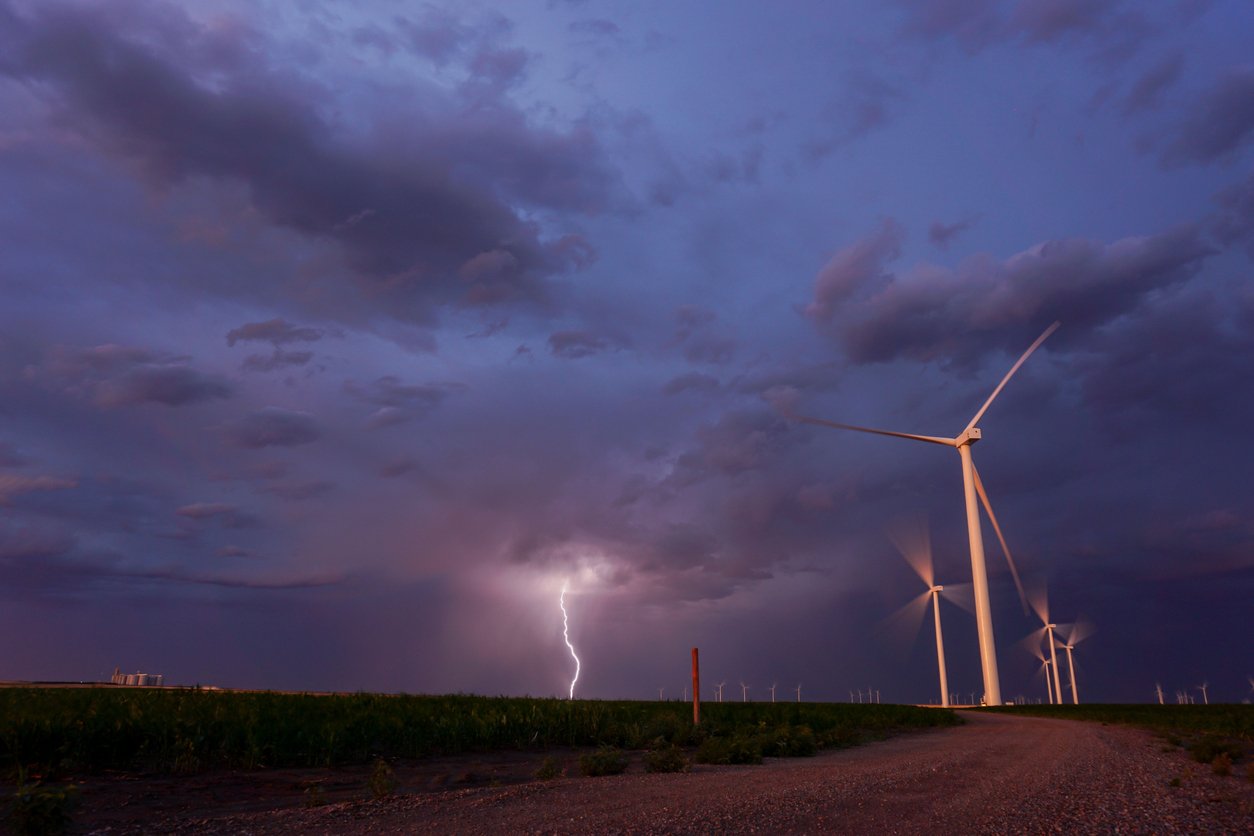
Two Kinds of Grid Stress, and Why Data Centers Keep Designing for the Wrong One
Two Kinds of Grid Stress, and Why Data Centers Keep Designing for the Wrong One - Renewables share does not predict grid instability. Grid stress comes in two forms. Each one calls for a different power architecture.

Quantum Computing Does Not Change the Power Constraint. It Extends It.
The debate over whether quantum computing raises or lowers data center energy demand is a 2035 question, asked on top of a power constraint we have not solved for 2027. The binding limit is validation time, not technology readiness.
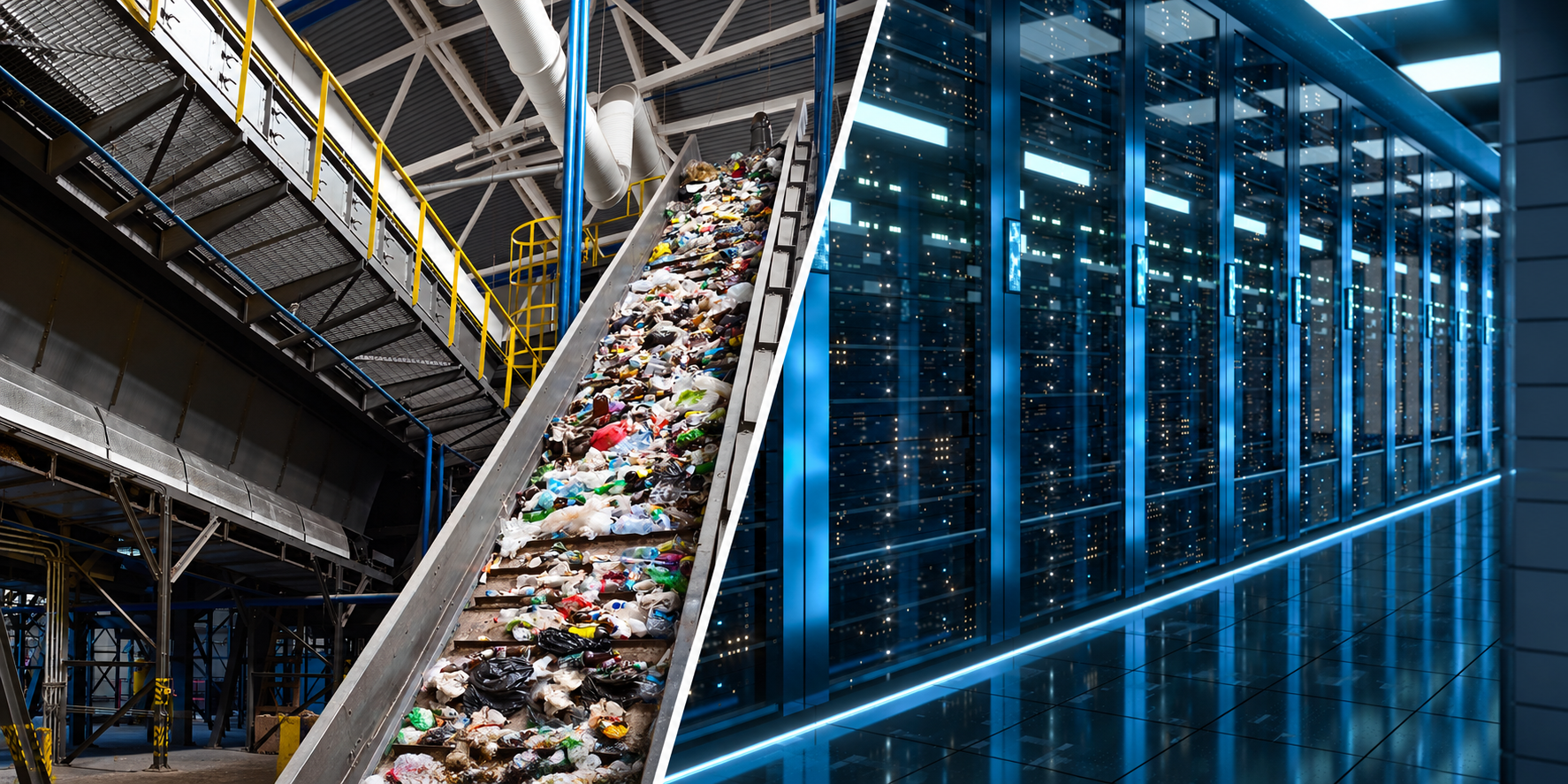
Fixed infrastructure, variable input
A waste plant reconfigured in year thirteen of a twenty-five year contract shows why data center power design is a specification problem, not a forecast.
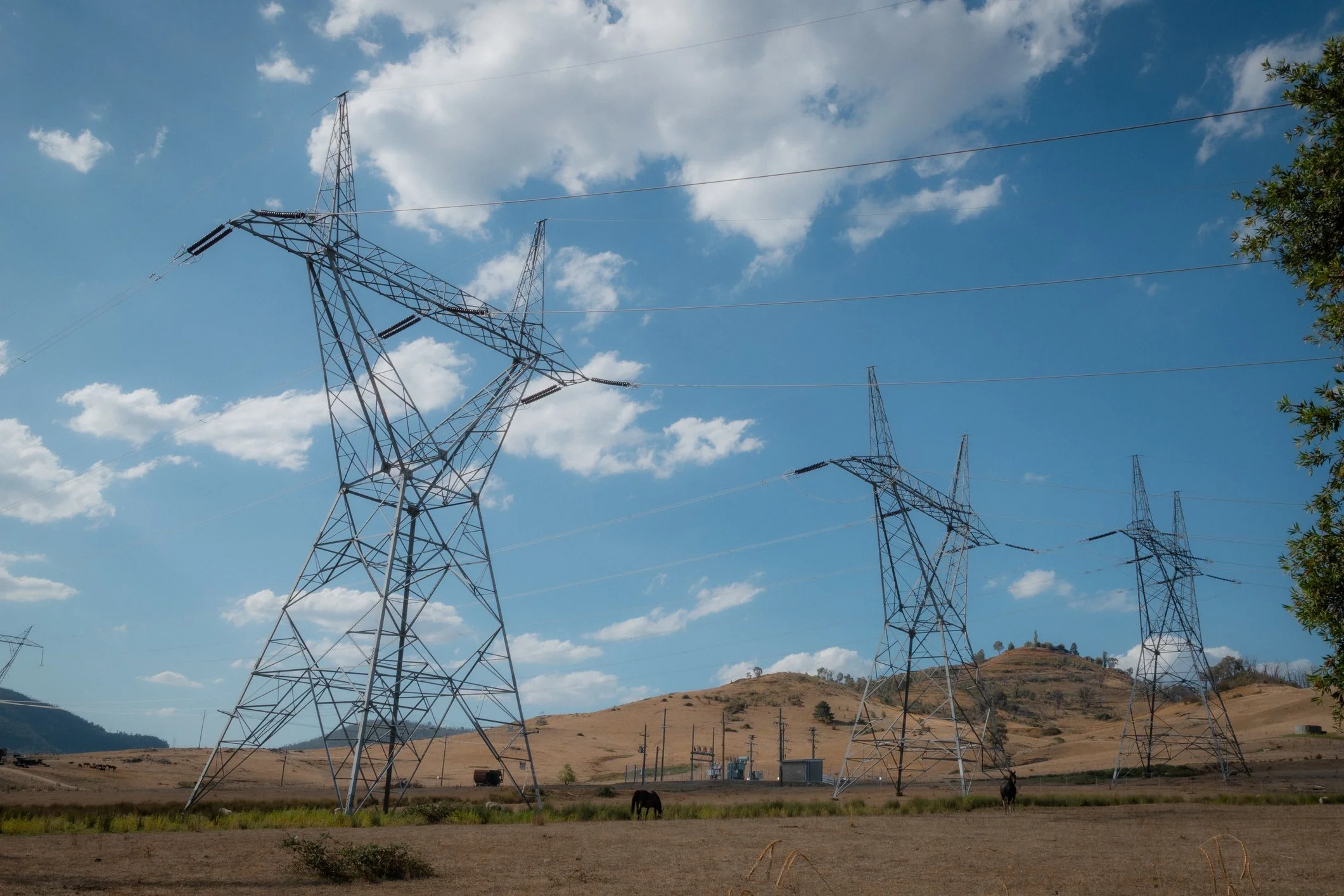
Texas Turned Public Opposition Into Procedure
Texas moved data center opposition from public sentiment to regulatory procedure. What the August 2026 audit changes about how projects are underwritten.
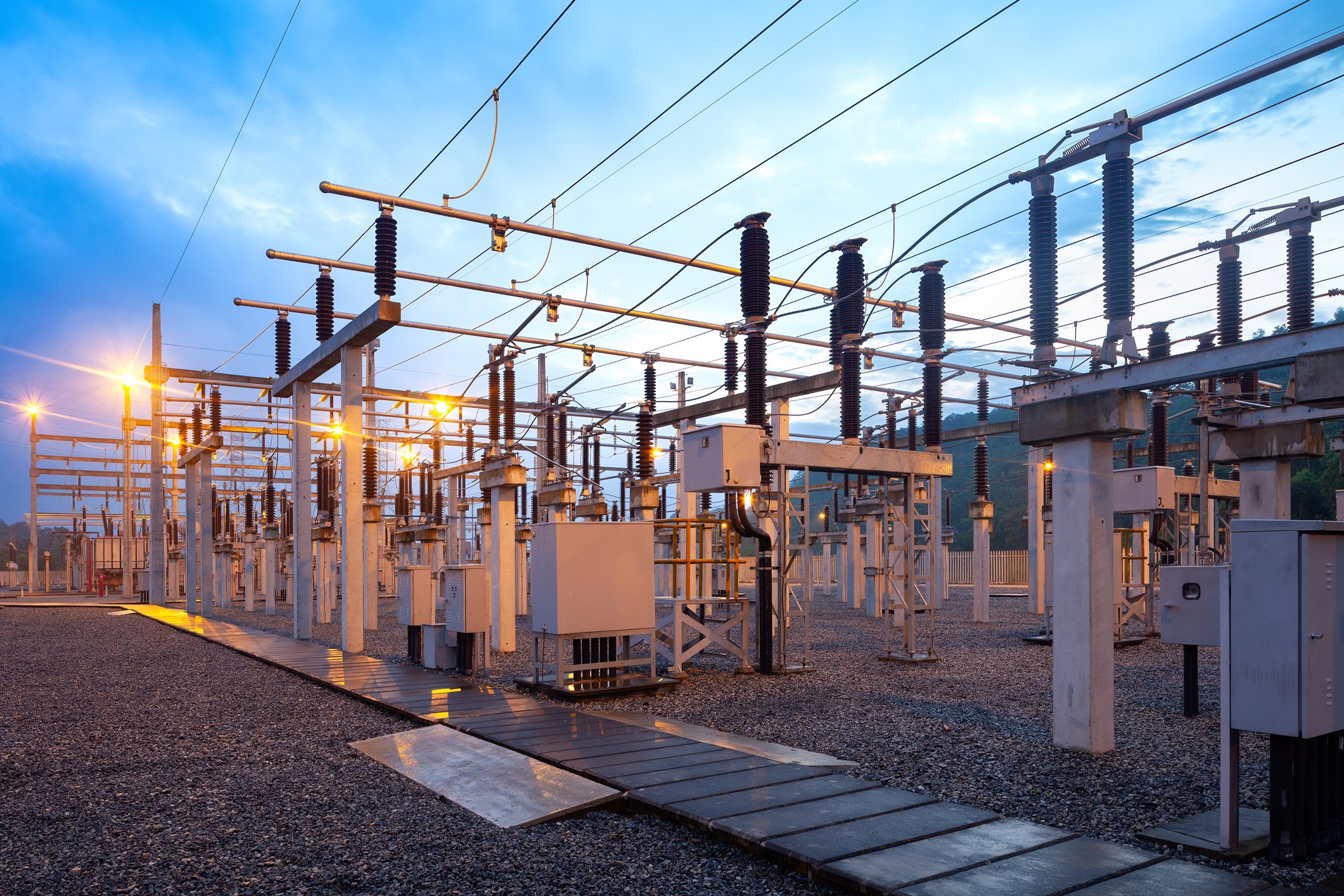
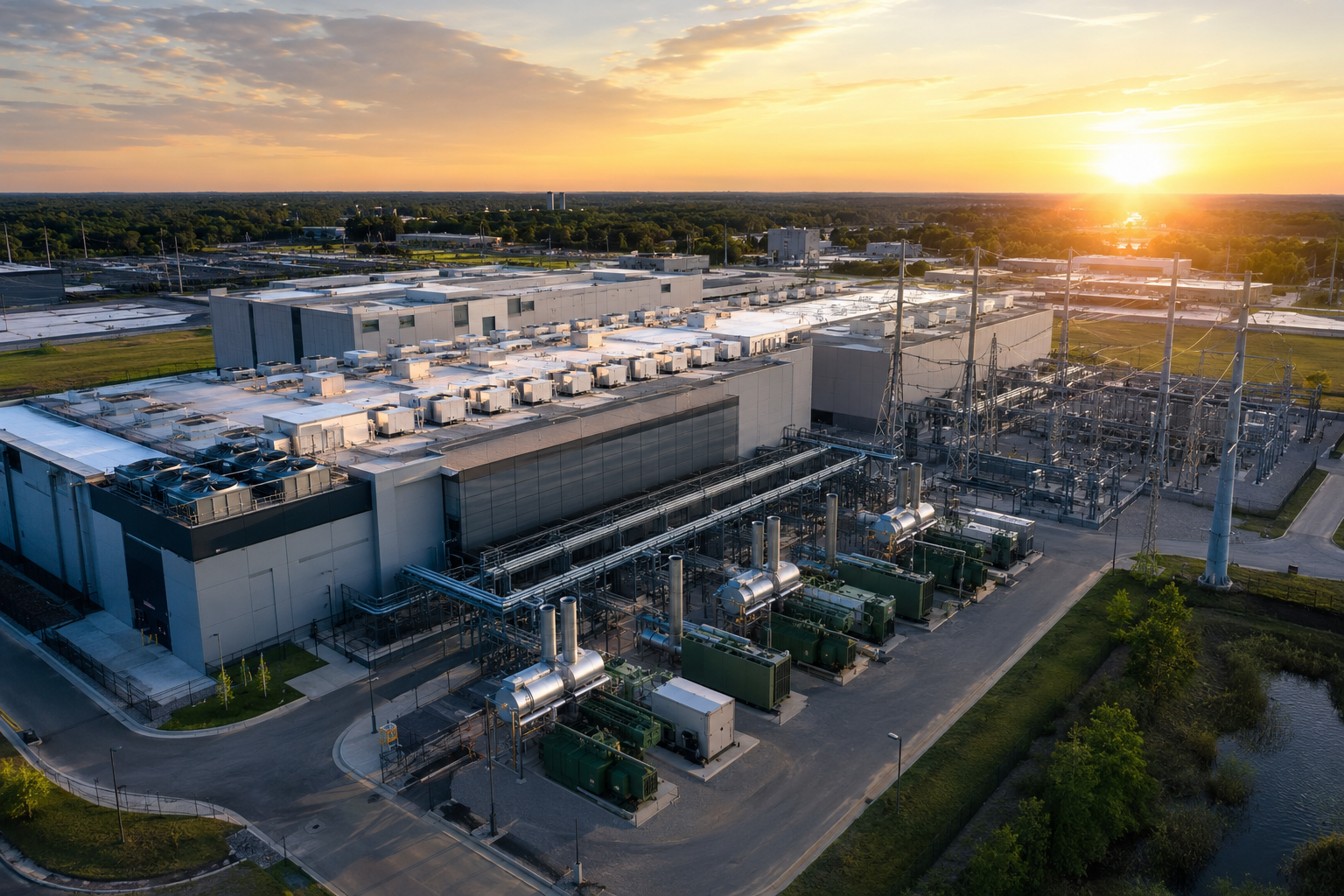
The Grid Is Learning to Dispatch Demand
The data center power debate assumes the constraint is generation. A landmark Duke study and a live Nvidia/EPRI pilot suggest the more immediate constraint is dispatch: knowing when and where to route load across capacity that already exists.
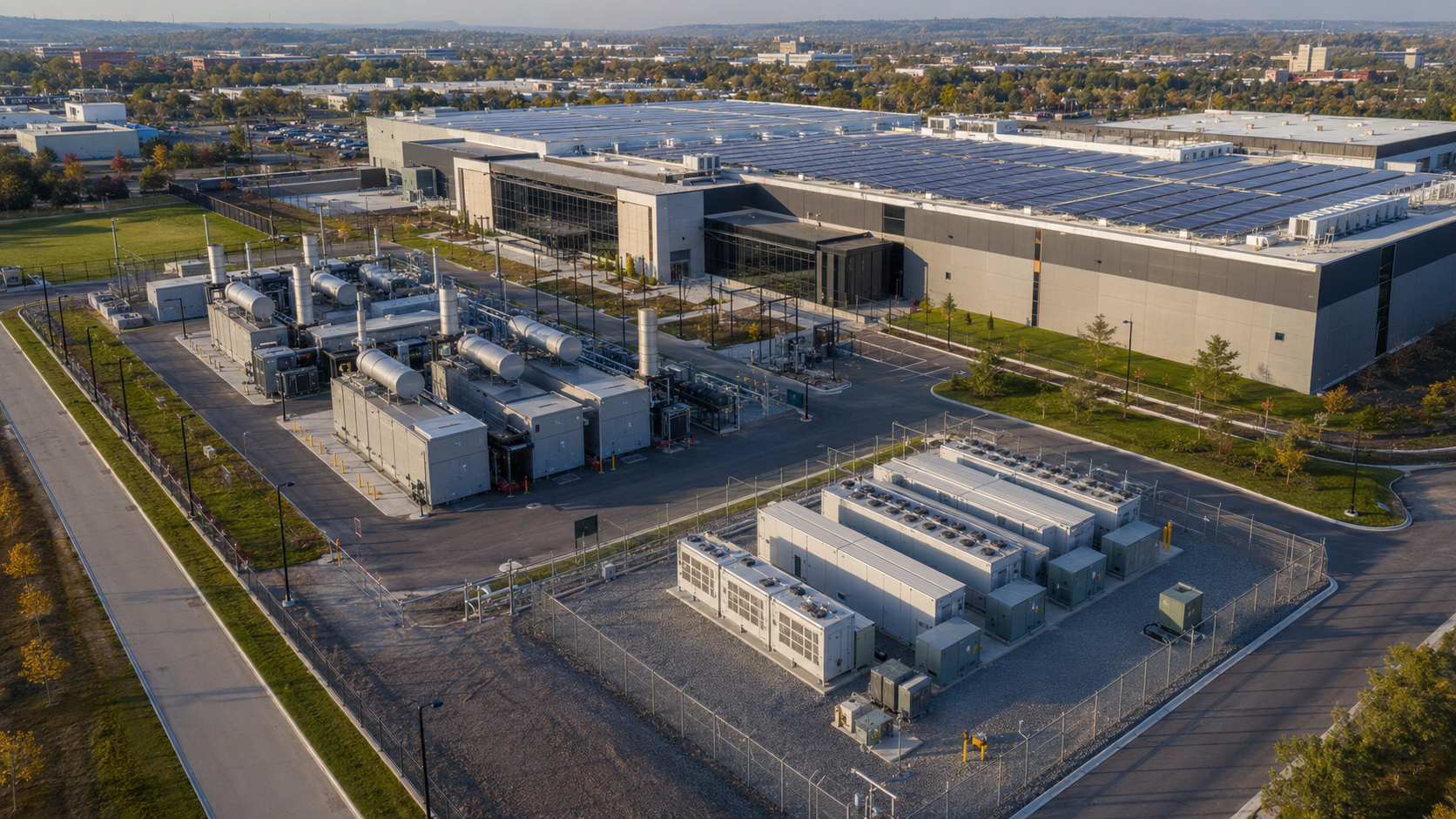
Why Is The Structured Transition Model New?
The most common challenge to the Structured Transition Model is a fair one: if the technologies are established, what is new? The answer is the order, and the buyer who has not yet been given it
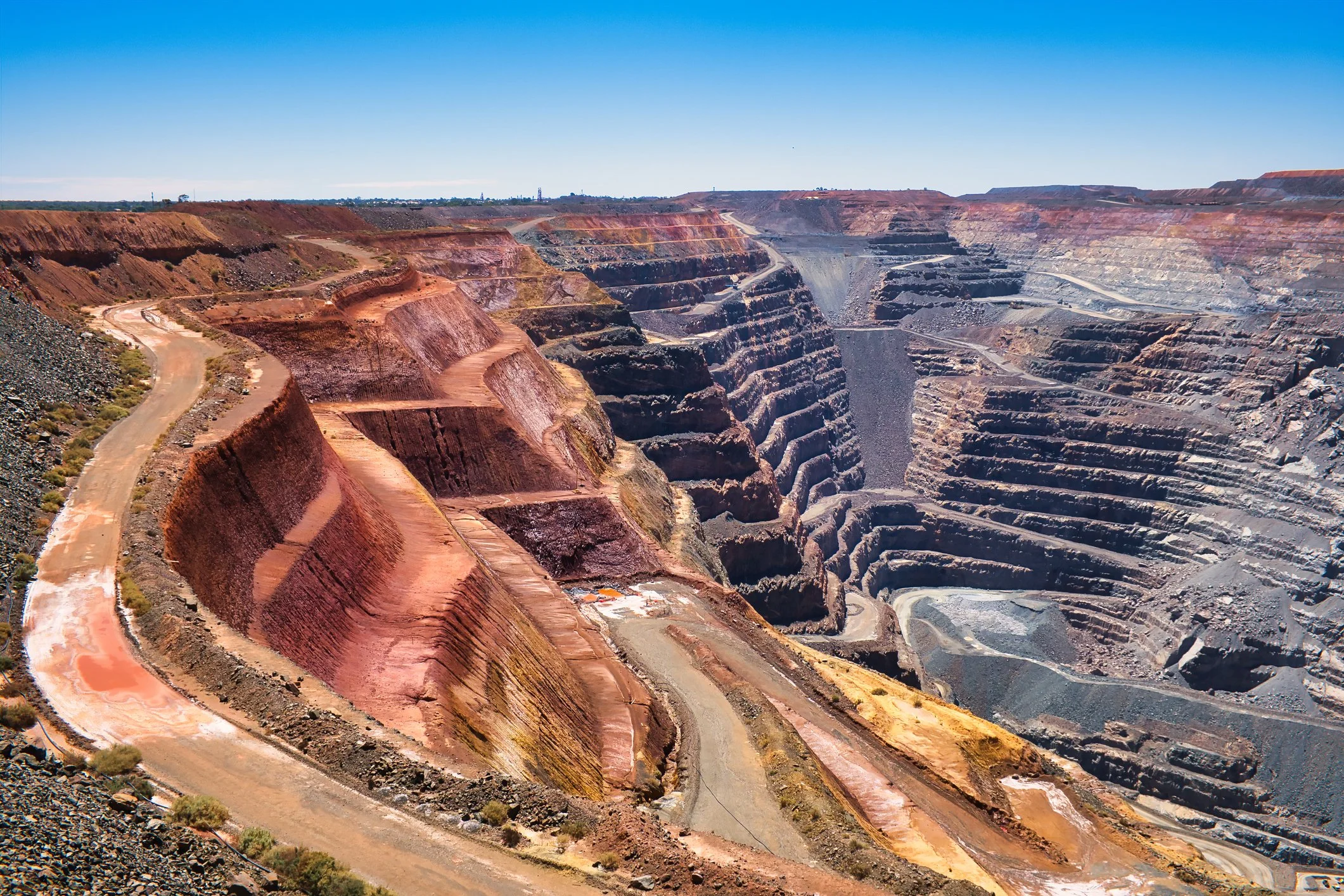
Resilience Beyond the Grid: Lessons from Remote Infrastructure Systems
Long before AI infrastructure accelerated the conversation around onsite generation and speed-to-power, remote industrial and distributed energy systems were already solving for resilience. Thoughts on what infrastructure markets in Australia, Africa, and other developing regions can teach about the future of energy resilience.
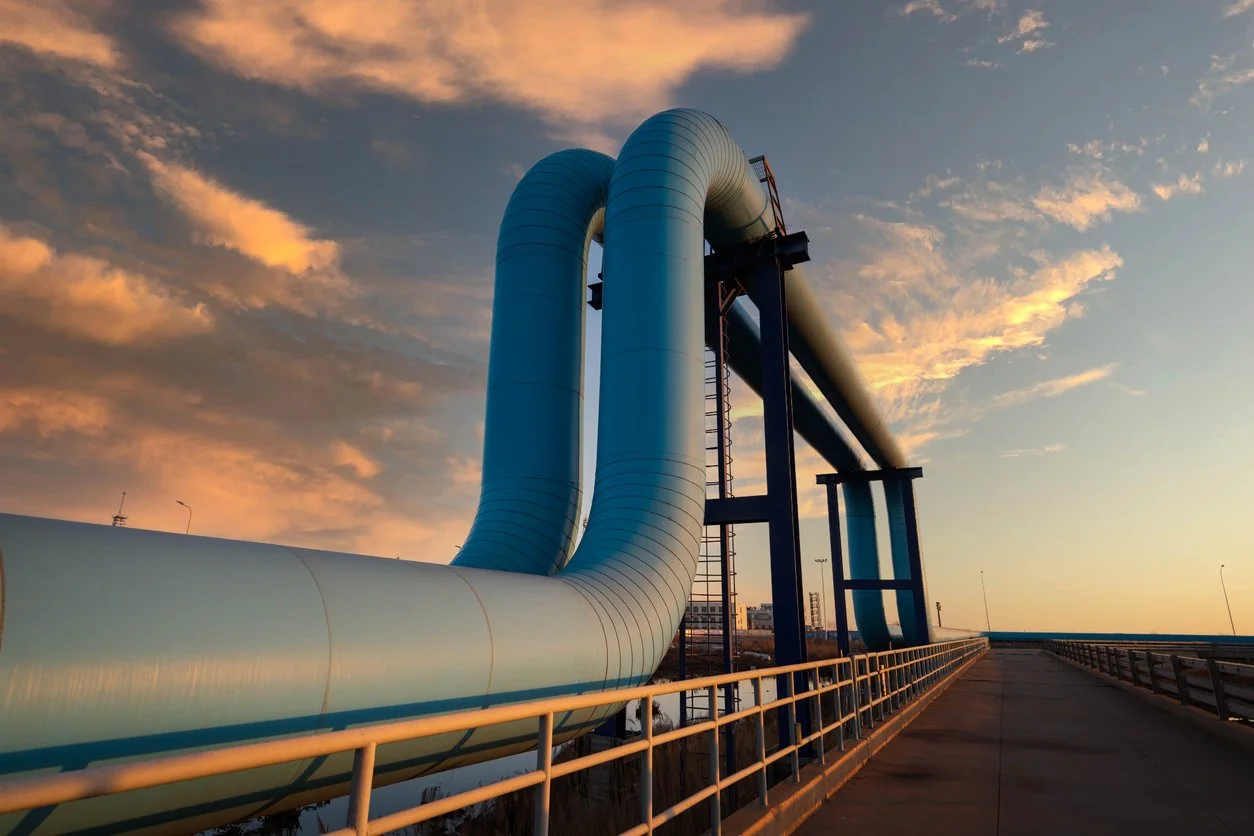
The Quiet Number That Moves the Money.
Earlier this year trade publication ran a piece built around a note I had written on LinkedIn. The subject was not a new turbine or a gigawatt announcement. It was the difference between two ways of measuring the energy in natural gas, the kind of distinction that usually lives three layers below anything anyone calls a story. I have been thinking about why it got picked up at all.

Speed to Power vs Cost of Mistake: The New Capital Allocation Problem in AI Infrastructure
The power conversation around AI infrastructure has settled into a procurement question about cost and carbon. The decision developers actually face is a capital allocation problem under a time constraint, where delay and over-optimization are both expensive errors.
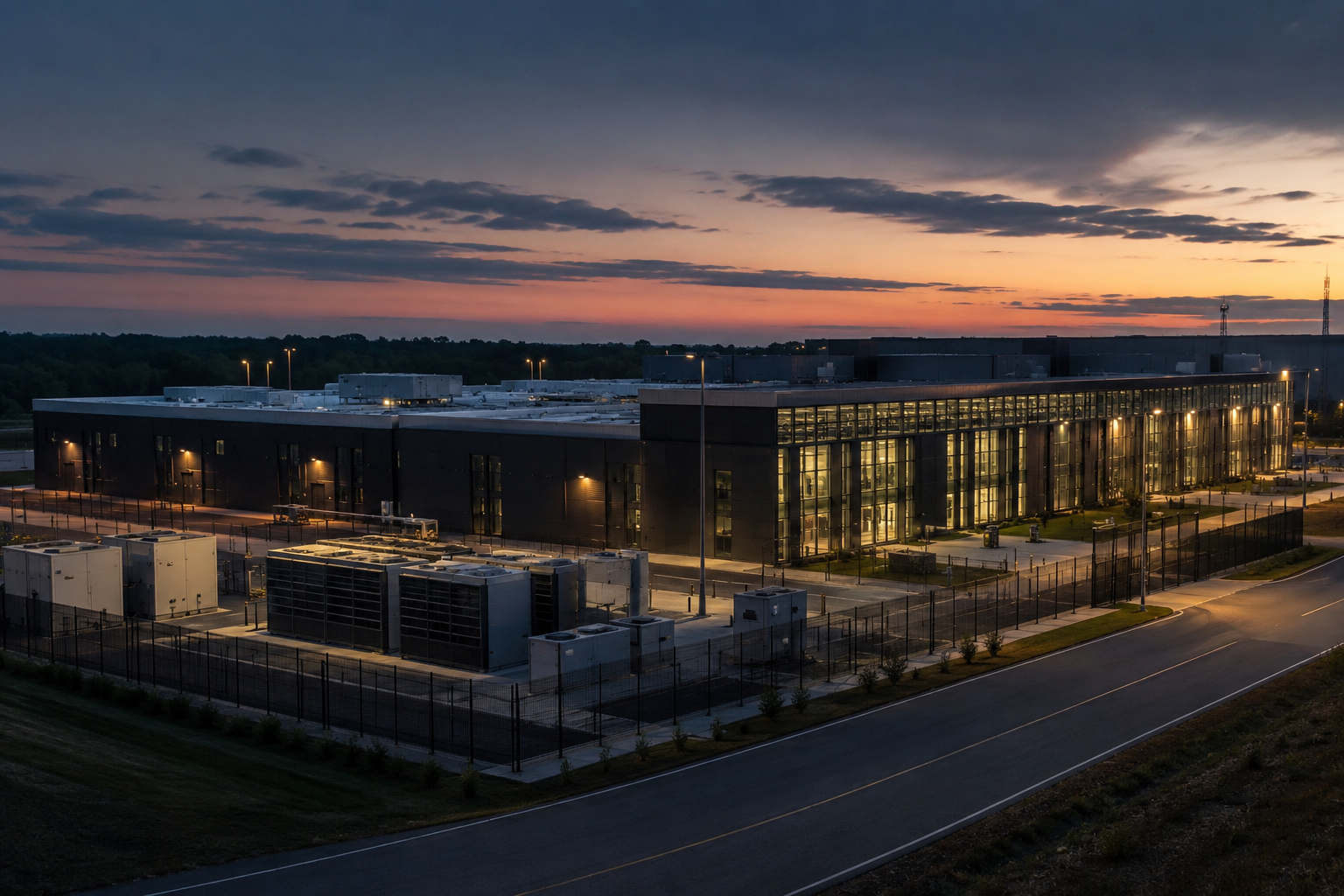
Efficiency Is Speed to Power
AI infrastructure growth is exposing a new reality: efficiency is no longer simply about reducing fuel consumption or improving ESG metrics. Increasingly, efficient infrastructure enables faster deployment, lower grid dependency, reduced cooling demand, and improved long-term resilience.

A Super El Niño Tests the Transition. It Does Not Accelerate It.
A strong El Niño is forecast for late 2026. Its near-term effect is not faster decarbonization but a repricing of firm power, water, and resilience.

The Energy Trilemma Is Missing a Dimension. I Call It the Temporal Trilemma
The energy trilemma balances security, affordability, and sustainability, and it is usually drawn as a fixed triangle. The temporal trilemma adds the dimension that triangle leaves out: time. The balance point does not sit still. It moves, it can move quickly, and it can move backward. On an AI timescale, that movement is the part that now matters most.
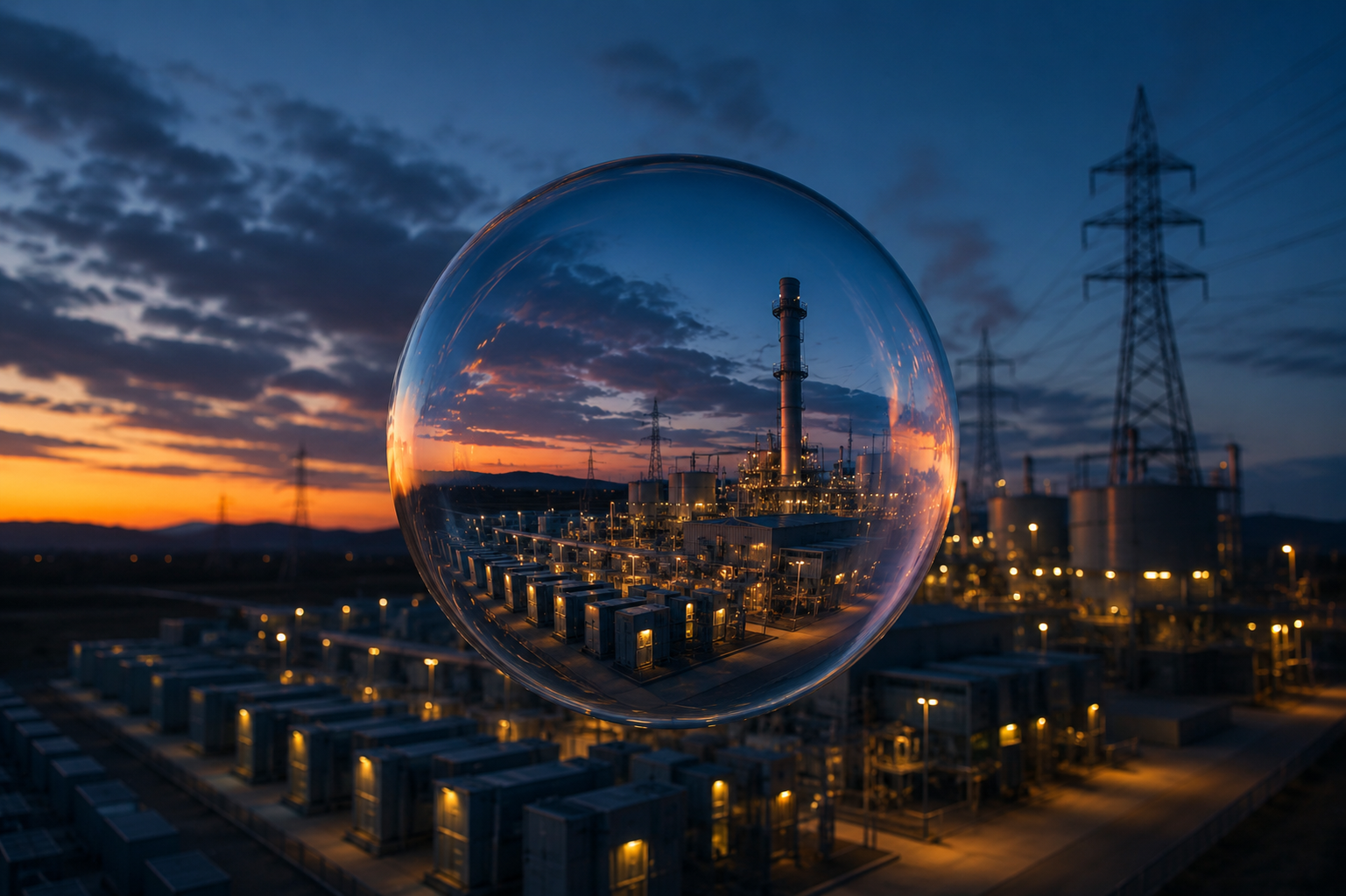
The AI Bubble May Burst. The Power Deficit Remains.
The debate over AI is whether the spending is justified. The more useful question for anyone who builds or finances power generation is what happens to electricity demand if it corrects. The answer is that demand holds, because most of it was never AI.

Cannes, Two Sessions, One Direction.
The energy transition for AI data centers is not a binary choice between power now and power clean. At Datacloud Cannes 2026, the structured transition model was launched highlighting credible pathways for infrastructure deployed for speed to power.
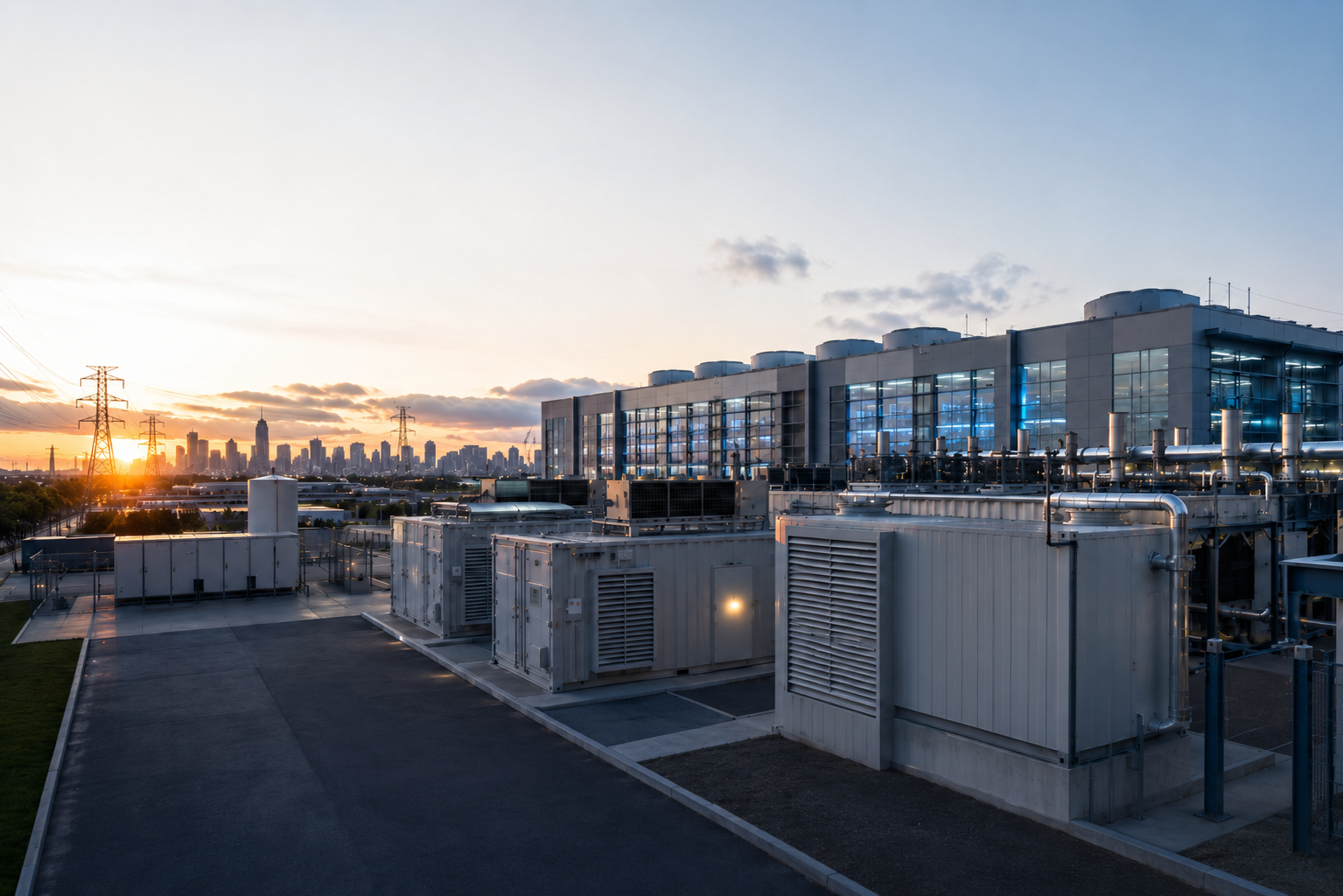
Why Speed-to-Power Is Reshaping Data Center Infrastructure
As AI infrastructure accelerates globally, power availability is becoming the defining constraint for data center deployment. This article explores why “speed-to-power” is reshaping infrastructure strategy, driving renewed interest in on-site generation, hybrid microgrids, CHP, and staged approaches to lifecycle decarbonization.
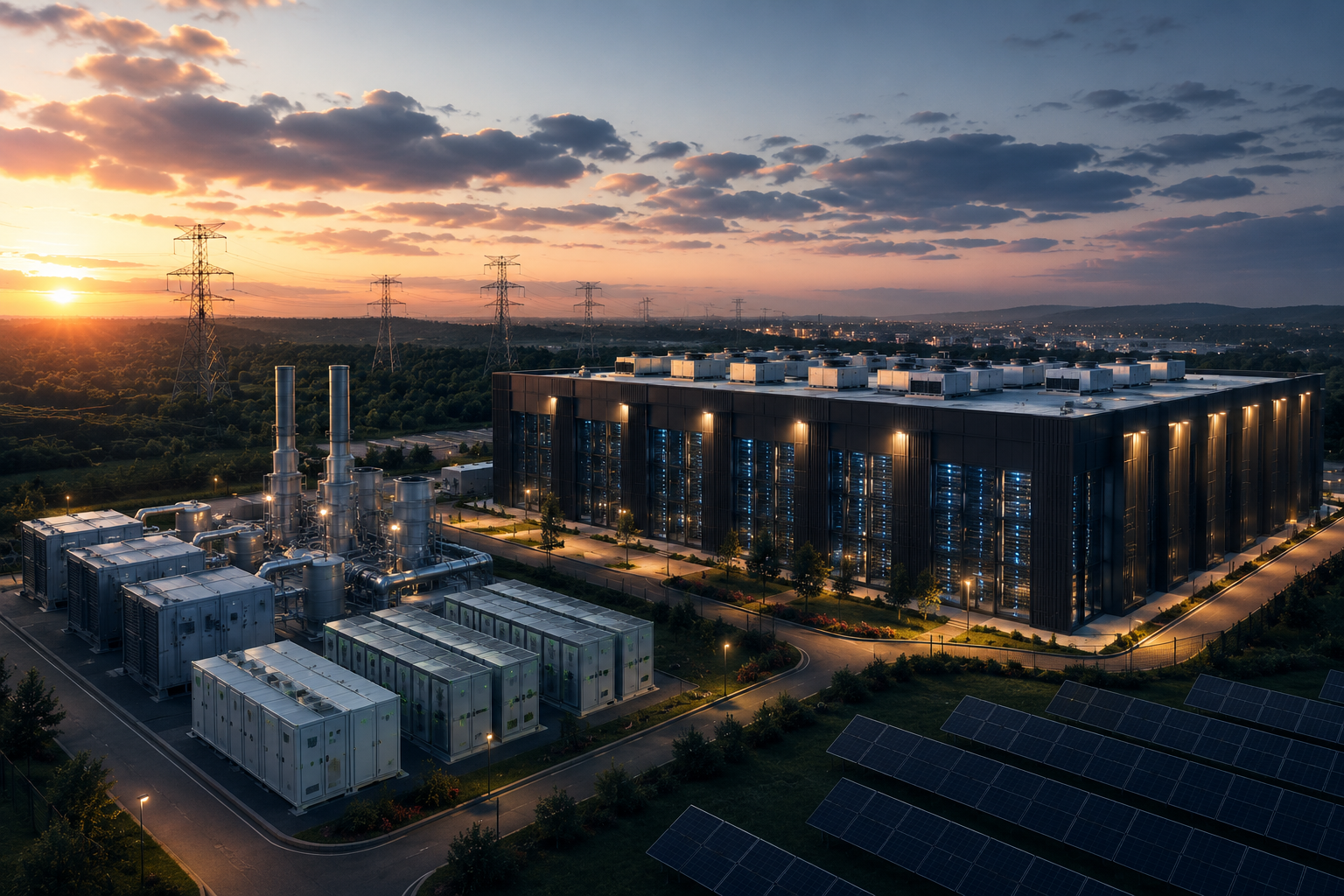
AI Infrastructure Is Entering Its Reality Phase. Power Will Decide the Winners.
AI infrastructure is colliding with physical reality. As grid constraints tighten and power demand accelerates, the next competitive advantage in AI may not come from algorithms alone, but from the ability to secure resilient, scalable, and intelligently integrated energy systems.
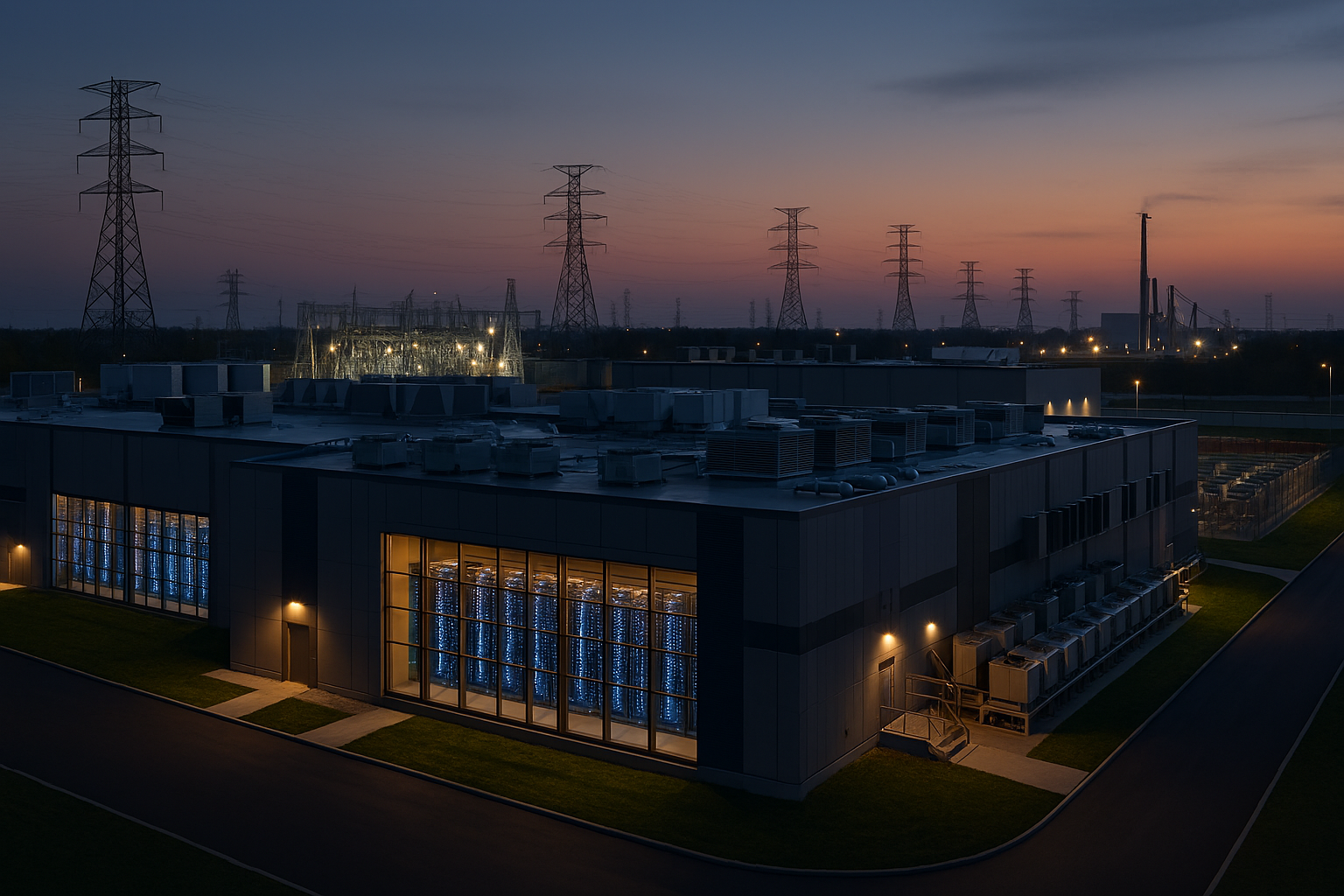
Bridging Speed-to-Power and Sustainability in the US Data Center Market
Two industry events in Washington DC and Philadelphia highlighted a growing reality within the US data center sector: speed-to-power is now driving infrastructure decisions, but long-term efficiency and decarbonisation cannot be left behind. Reflections on the role of structured transition thinking, CHP and integrated energy system design in supporting AI-driven infrastructure growth.
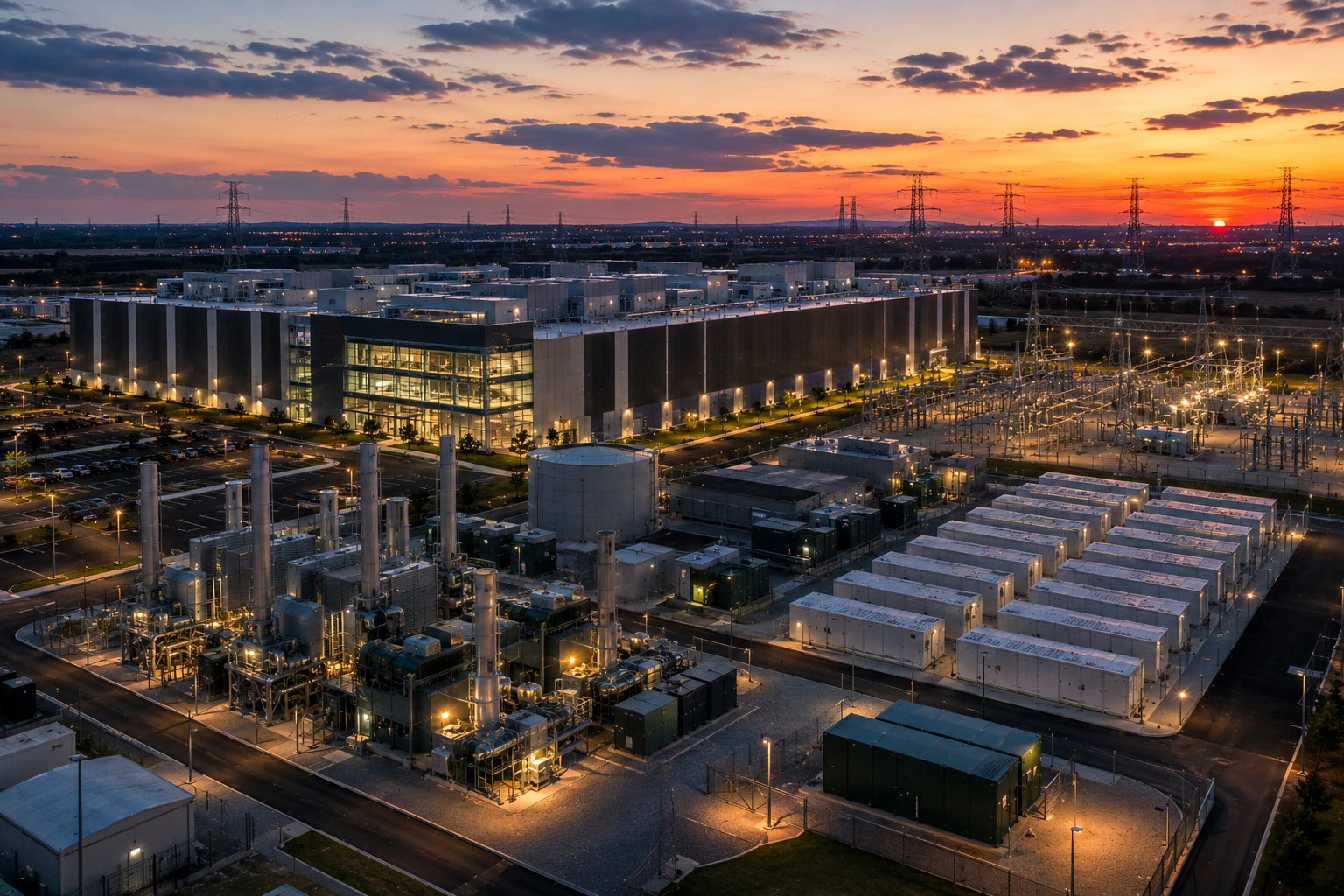
Why Data Centers Need Resilience, Not Just Megawatts
Why resilience is becoming as important as power capacity in AI data centers. Analysis of speed-to-power, distributed energy, grid constraints, hybrid systems and long-term infrastructure strategy.
Europe’s Flexibility Transition Is Accelerating
Europe’s accelerating investment into energy storage reflects a much broader transformation underway across modern power systems. As renewable penetration, AI-driven electricity demand, and grid constraints increase, the conversation is shifting from generation alone toward flexibility, resilience, hybrid infrastructure, and long-term operational adaptability.
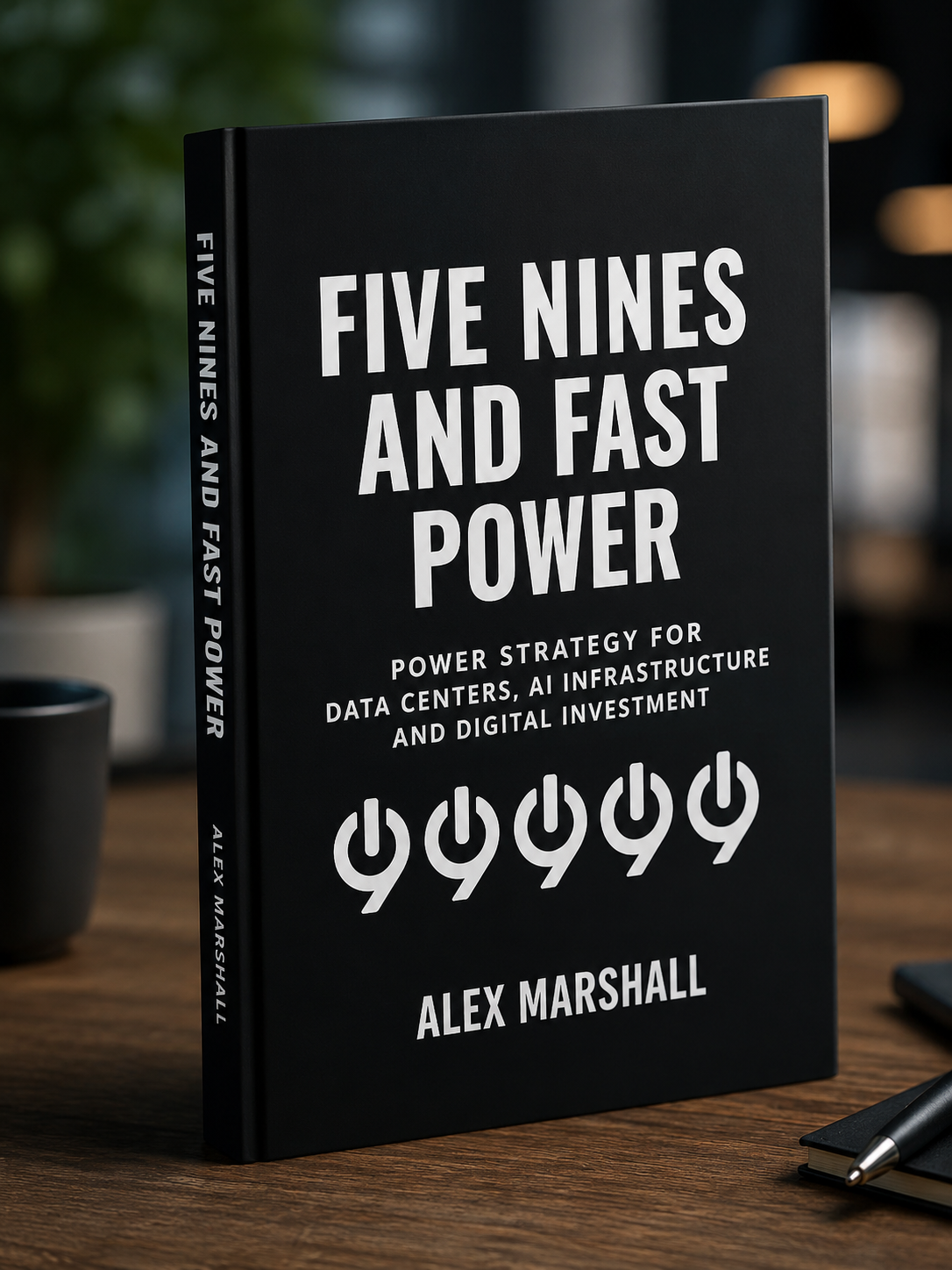
Five Nines and Fast Power
Making better power infrastructure decisions in the age of AI.