Industrial Heat Pumps: The Next Frontier in Low-Carbon Heat
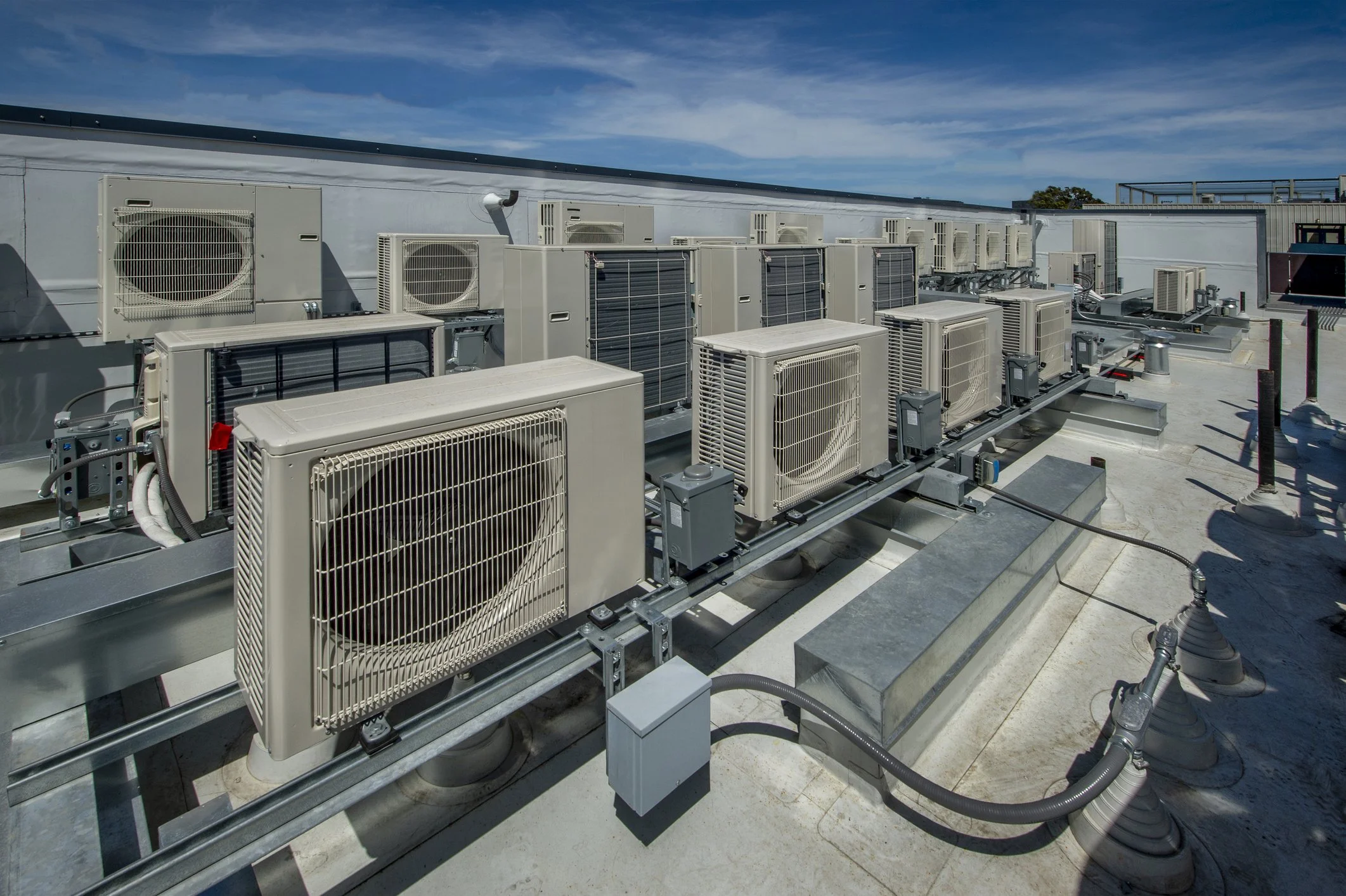
Industrial heat pumps
Industrial heat is one of the harder problems in decarbonization. Around a quarter of the world's final energy demand goes to producing it, and much of that still comes from fossil fuels. A shift is underway. Industrial-scale heat pumps are moving from small pilots into the center of serious decarbonization programs, across factories, district heating schemes, and data centers.
The logic is straightforward. If you electrify heat and supply that electricity from low-carbon generation, you cut emissions, reduce exposure to gas price swings, and often improve overall efficiency. The case is not only about energy. Industrial heat pumps bring benefits that business cases frequently leave out: better process control, safer working conditions, quieter operation, less demand for cooling water, and fewer environmental liabilities.
Combined heat and power and heat pumps are partners, not rivals
The debate is too often set up as combined heat and power (CHP), which generates electricity and useful heat from the same fuel on site, against heat pumps, as though one has to replace the other. In practice they work well together. A CHP engine can supply reliable on-site electricity to run a heat pump while delivering its own heat, forming a hybrid system built for resilience and efficiency. The fuel can be natural gas, but biogas, biomethane, and hydrogen are all viable lower-carbon options.
This pairing is most valuable on constrained sites, or where grid upgrades are slow. When electricity is cheap or renewable output is high, the heat pump leads. When power prices spike or grid carbon intensity rises, the CHP engine steps in. Add thermal storage and the system gains more flexibility again, charging when power is cheap and discharging when demand or prices are high. The design is organized around the outcome, not around a single technology.
The difficulty is that most support schemes and energy policies still treat each technology in isolation. Incentives rarely reward hybrid or system-level performance, even though that is where the largest carbon and cost savings sit.
Barriers and real-world frictions
The technology is ready, but deployment still runs into familiar bottlenecks. Permitting can take years, and grid connection is often the single biggest constraint on project timelines. Even where power is available, tariff structures and grid charges can undermine the economics. Industrial users typically want payback in under five years. That is understandable, but it excludes projects that would deliver major long-term value in resilience, efficiency, and avoided emissions.
Thermal storage deserves more attention than it gets. Integrated properly, it smooths production loads, buffers price spikes, and provides a form of grid support, without the degradation and replacement cycles of batteries.
Regional trends
Europe leads at present. With around three-quarters of its electricity already generated from non-fossil sources, the carbon case for electrified heat strengthens each year. Cities are scaling up large river-source and wastewater-source heat pumps linked to district networks, often alongside CHP and storage. Policy remains fragmented, and there is still no consistent framework for hybrid systems that combine heat, power, and storage.
In the United States, the market is driven more by economics than regulation. Low gas prices hold back some of what the market could otherwise support. At the same time, demand charges and dynamic pricing make thermal storage valuable, and higher grid-outage risk means many facilities are pairing heat pumps with on-site CHP or battery systems for resilience. Data centers in particular are emerging as important players, integrating water-cooled systems and recovering waste heat for local use.
India shows a different pattern again. Rapid industrial growth, rising air-quality pressure, and strong solar resources make heat electrification attractive for sectors such as food and drink, pharmaceuticals, and textiles. Projects tend to be modular, blending solar photovoltaic (PV) generation, heat pumps, and thermal storage to deliver decarbonization within tight cost and space limits.
A systems view
The transition is usually framed around electricity, but the thermal side of the equation can deliver just as much. Real progress means looking past the coefficient of performance (COP) of a single device, which measures how much heat it delivers per unit of electricity, and considering the efficiency of the whole system: how it interacts with the grid, the market, and the process it serves.
Industrial heat pumps, supported by CHP and storage, can deliver resilient, flexible, low-carbon heat at scale. The technology is ready. What is needed now is alignment of policy, permitting, and mindset, so these solutions are treated as parts of an integrated whole rather than competing devices. The manufacturers who invest early in hybrid, storage-enabled electrification gain lower carbon footprints and more predictable operations.
Questions and Answers
Why is industrial heat hard to decarbonize?
It accounts for around a quarter of global final energy demand and still depends heavily on fossil fuels. Electrifying it requires both suitable technology and low-carbon electricity, and the economics are shaped by grid access, tariffs, and permitting.
Do heat pumps replace combined heat and power?
No. They work better as partners. A CHP engine can power a heat pump and supply its own heat, with the heat pump leading when electricity is cheap or clean and the engine stepping in when power prices or grid carbon rise.
What is the biggest barrier to industrial heat pump projects?
Grid connection is often the single largest constraint on timelines, alongside multi-year permitting and tariff structures that can undermine the economics even where power is available.
Why does thermal storage matter for industrial heat?
It smooths production loads, buffers price spikes, and provides grid support, without the degradation and replacement cycles that batteries face. It lets a system charge when power is cheap and discharge when demand or prices are high.
Which regions lead in industrial heat electrification?
Europe leads on the carbon case, with around three-quarters of electricity from non-fossil sources. The United States is driven by economics, with data centers emerging as key players. India is scaling modular solar, heat pump, and storage projects.
How are data centers involved in low-carbon heat? Data centers are integrating water-cooled systems and recovering waste heat for local use, which links the thermal side of the transition directly to the power side.