The Battery Stops Being a Backup
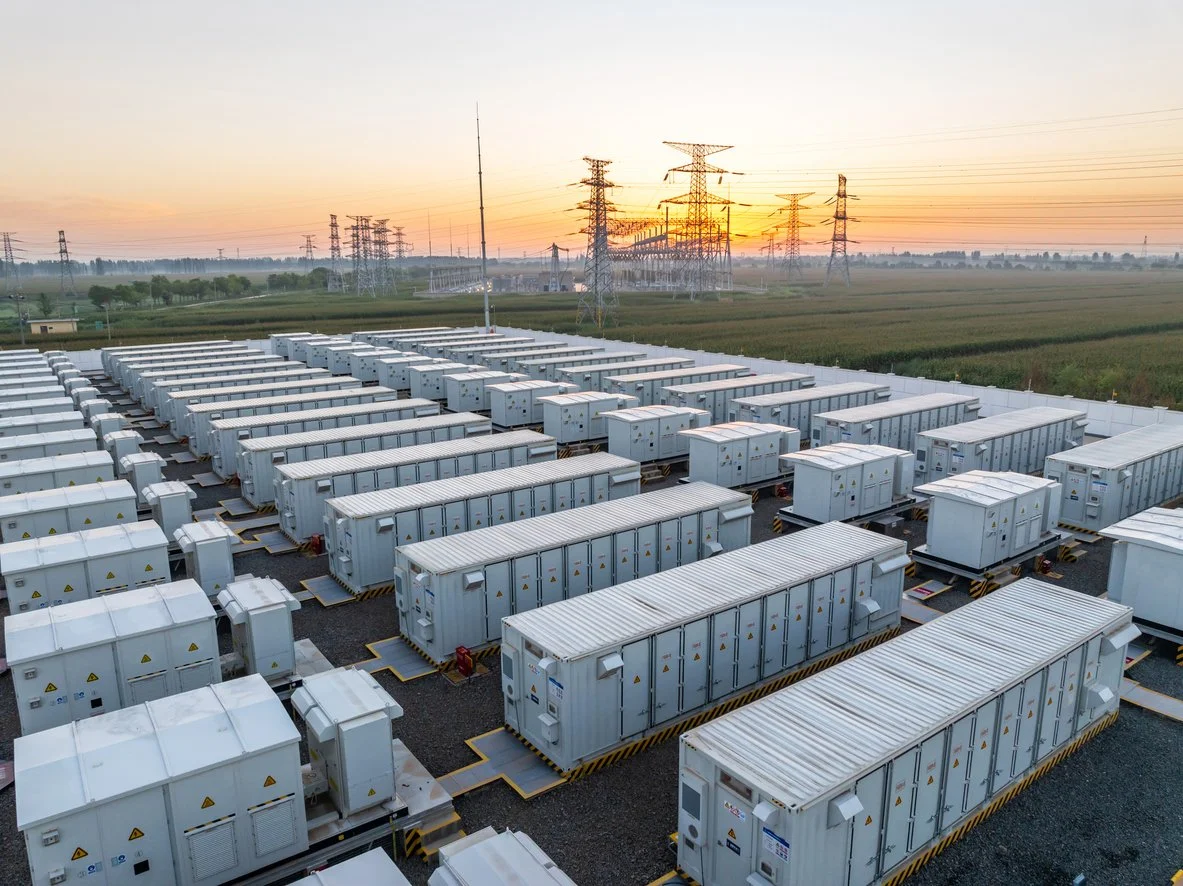
I was quoted last week by Data Center Knowledge in a piece on immersion-cooled battery storage, and the conversation it came from has stayed with me. The headline question was whether a particular cooling approach is a breakthrough. The more interesting question sits underneath it. What is the battery actually for, now that data centers are building their own power?
For most of the history of this industry, the answer was simple. The battery was insurance. It sat in the uninterruptible power supply, sized for a few minutes of ride-through, and its job was to carry the load long enough for a diesel generator to start. It was a cost you accepted and hoped never to use. By design, it did nothing most of the time. That was the point.
That framing made sense when the load was steady and the grid was the primary source. It makes much less sense in the world we are now building.
Two things have changed at once. The first is that data centers are increasingly generating power onsite rather than drawing it entirely from the grid. The second is that the load itself has become volatile in a way enterprise computing never was. AI training and inference produce sharp, fast swings in demand, with a single rack now climbing toward a megawatt and clusters ramping in ways that stress everything upstream of them. A power architecture built for smooth, predictable draw is not the right architecture for this.
Put those two changes together and the battery starts to look like something other than insurance. It starts to look like an active asset.
This is the wider benefit that the cooling story points to without quite naming. Once a battery is integrated into onsite power rather than parked beside it, it can do real work every day. It can shave peaks so the onsite generation does not have to be sized for the worst few minutes. It can absorb the micro-surges that a GPU workload throws off, smoothing demand before it ever reaches the engines or the grid connection. It can provide grid support where the interconnection allows it. And in some designs it can stand in for emergency generation entirely, if the operator is willing to accept a shorter ride-through window in exchange for a simpler, cleaner site. None of these are backup functions. They are operational functions, and they change the economics of the whole facility rather than just sitting on the risk ledger.
What has held this back is not the idea. It is the physical reality of putting large amounts of battery capacity inside or near a critical load. Batteries are temperature-sensitive. Uneven heating shortens their life and, managed poorly, raises the risk of thermal runaway. So they have tended to be sited conservatively, cooled expensively, and kept at arm's length from the equipment they are meant to support. The thermal problem has quietly capped how useful the battery could be.
That is why the cooling development matters, and why it is worth more than a hardware footnote. Better thermal management is not really about the battery running cooler. It is about removing the constraints that kept the battery marginal. Consistent temperature means longer life and more predictable behavior. Higher energy density means more storage in less space. Better fire characteristics mean the storage can sit closer to the critical load and in more places around the site, where real estate is scarce. Take the thermal limit off the table and the battery is free to become the flexible layer the architecture actually needs. It also improves the site's power usage effectiveness rather than taxing it, which inverts the old relationship where cooling the storage was simply another load to carry.
There is a further step that I find genuinely interesting, which is what happens when the storage layer and the generation layer share their thermal systems. If a site already runs gas engines for onsite power, the waste heat from those engines can be turned into cooling through absorption chillers, and that cooling can serve the storage. The battery, the engines, and the cooling stop being three separate problems and become one connected system, each part using what the others give off. That is the direction this leads if you follow it far enough. Not a better backup, but a closed and efficient power ecosystem where the battery is a full participant.
I want to be careful not to oversell it. Premium cooling carries a premium cost and adds engineering complexity, and for a great many sites the simpler answer will remain the right one. Simplicity wins more often than enthusiasts like to admit. The wider benefit I am describing will land first and hardest where the load profile justifies it, on dense AI campuses with significant onsite generation and volatile demand, and it will spread outward from there as cost and familiarity improve. This is an early-stage technology finding its first defensible niches, not a universal upgrade.
But the direction is clear, and it is worth saying plainly while the market still mostly files batteries under backup. The strategic mistake would be to keep sizing and siting storage as though its only job is to bridge to a generator. The operators who will get the most out of the same capital are the ones who design the battery in as an active layer from the start, integrated with their generation and their thermal recovery, doing useful work every day rather than waiting for a failure that may never come.
The headline asked whether a cooling method is a game-changer. I think the real change is quieter and larger. The battery is ceasing to be the thing you hope you never need, and becoming part of how onsite power works at all.
Questions and Answers
What has been the traditional role of batteries in a data center?
For most of the industry's history the battery was insurance. It lived in the uninterruptible power supply, sized for a few minutes of ride-through, and its job was to carry the load just long enough for a diesel generator to start. By design it did nothing most of the time. That made sense when the load was steady and the grid was the primary source.
What is changing in the role of batteries in data centers now?
Two things at once. Data centers are increasingly generating power onsite rather than drawing it entirely from the grid, and the load itself has become volatile in a way enterprise computing never was. AI training and inference produce sharp, fast swings in demand, with a single rack now climbing toward a megawatt. A power architecture built for smooth, predictable draw is not the right architecture for that, and the battery is well placed to absorb the difference.
What can a battery system do beyond backup for data centers?
Once it is integrated into onsite power rather than parked beside it, it can do real work every day. It can shave peaks so the onsite generation does not have to be sized for the worst few minutes. It can smooth the micro-surges a GPU workload throws off before they reach the engines or the grid connection. It can provide grid support where the interconnection allows. And in some designs it can stand in for emergency generation entirely, if the operator accepts a shorter ride-through window in exchange for a simpler site. These are operational functions, not backup functions.
Why does the cooling approach of batteries and data centers matter so much?
Because the thing holding batteries back has not been the idea, it has been the physical reality of placing large amounts of capacity near a critical load. Batteries are temperature-sensitive, and uneven heating shortens their life and raises safety risk, so they have been sited conservatively and cooled expensively. Better thermal management removes those constraints. It means longer life, higher energy density, better fire characteristics, and storage that can sit closer to the load and in more places around the site. It also improves power usage effectiveness rather than taxing it.
How does battery storage connect to onsite generation?
If a site already runs gas engines, the waste heat from those engines can be turned into cooling through absorption chillers, and that cooling can serve the storage. The battery, the engines, and the cooling stop being three separate problems and become one connected system, each part using what the others give off. That is a closed, efficient power ecosystem rather than a better backup.
Are immersion cooled batteries right for every data center?
No, and it would be a mistake to claim otherwise. Premium cooling carries a premium cost and adds engineering complexity, and for many sites the simpler answer remains the right one. The wider benefit lands first and hardest where the load profile justifies it, on dense AI campuses with significant onsite generation and volatile demand, and spreads outward from there as cost and familiarity improve. This is an early-stage technology finding its first defensible niches, not a universal upgrade.
What is the practical takeaway for data center operators regarding battery selection?
Stop sizing and siting storage as though its only job is to bridge to a generator. The operators who get the most from the same capital are the ones who design the battery in as an active layer from the start, integrated with their generation and thermal recovery, doing useful work every day rather than waiting for a failure that may never come.